


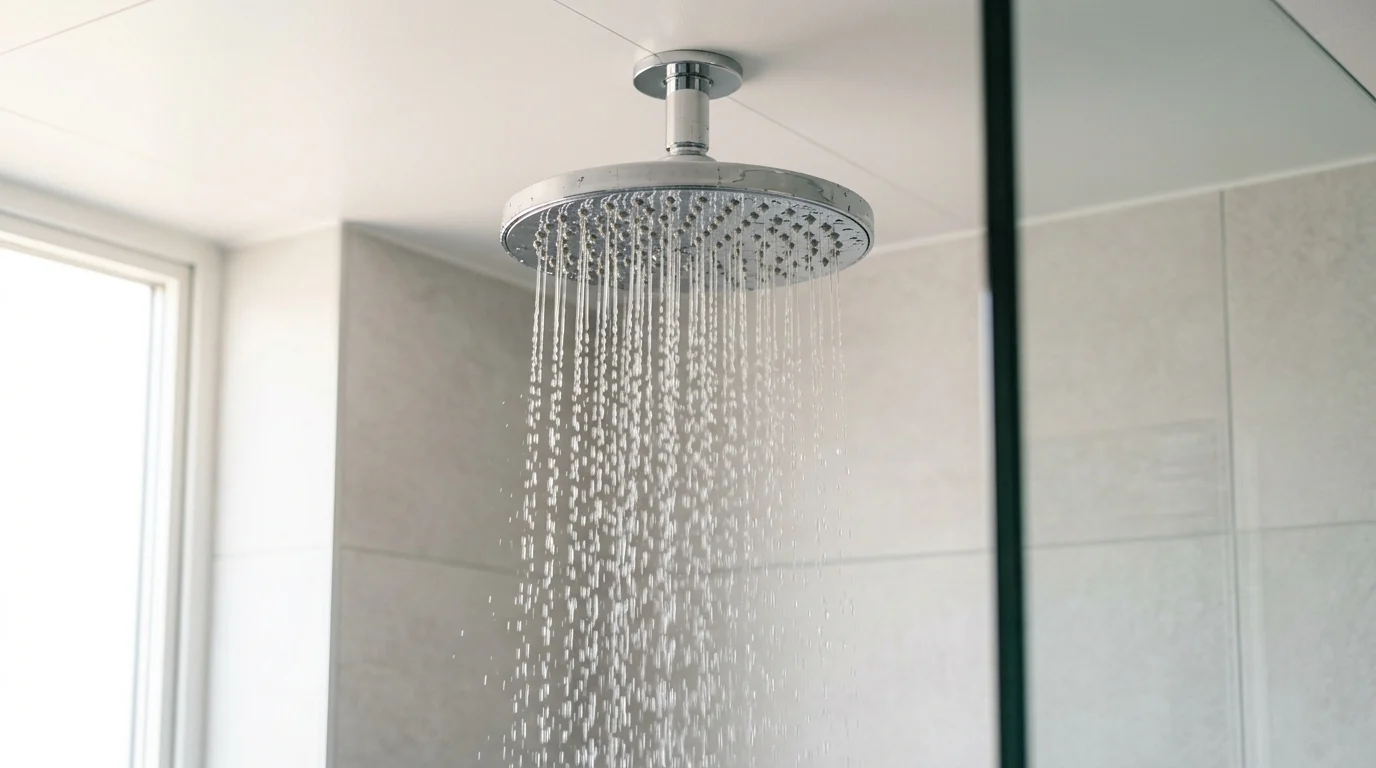
Modern bathrooms are no longer designed only for function; they are expected to deliver comfort, visual simplicity, and a sense of daily wellness. Rain Shower Heads meet that demand by combining wide water coverage, refined aesthetics, and a spa-like bathing experience that appeals to homeowners, designers, developers, and hotel operators. As water-efficient engineering and streamlined installation options have improved, these fixtures have moved from luxury upgrades to mainstream design features. This article explores what defines a true rain shower head, why it adds value in modern projects, and how smart specification can balance comfort, sustainability, and long-term performance.
Why Rain Shower Heads Are a Strategic Bathroom Feature
Modern bathrooms have evolved from strictly utilitarian spaces into wellness-centric sanctuaries. This shift has driven major changes in how we design and experience these environments. At the forefront of this trend is the rain shower head. Once considered a niche luxury item, it has become a highly sought-after feature in both residential and commercial modern designs. Homeowners, designers, and developers increasingly incorporate these fixtures to elevate daily routines and create a spa-like atmosphere.
Unlike standard directional shower heads, rain shower heads fundamentally alter the bathing experience by simulating natural rainfall. This soothing upgrade serves as a powerful psychological trigger for buyers and guests, often positively influencing property appeal and satisfaction scores in the hospitality sector.
Premium Bathroom Positioning
In real estate and hospitality, including a rain shower head instantly signals a premium positioning. Bathrooms equipped with spa-like features often yield a higher return on investment (ROI). For a comprehensive primary bathroom remodel, investing in a high-quality rain shower system is an efficient way to elevate the perceived value of the entire space.
This positioning goes beyond aesthetics to tap into growing consumer demand for spa-inspired home design. By offering a broad, enveloping water pattern, these fixtures cater to individuals who view daily routines as opportunities for relaxation, cementing the property's status in the luxury tier.
Value for Designers, Developers, and Specifiers
For architects, interior designers, and project planners, rain shower heads offer exceptional design versatility. The minimalist profile of a ceiling-mounted or flush-mounted unit aligns perfectly with contemporary aesthetics that favor clean lines and uncluttered sightlines. In the hospitality sector, industry trends indicate that many new luxury hotel designs now include overhead rain showers as a baseline standard.
Developers benefit from the standardized rough-in processes associated with modern rain shower systems, which have become increasingly streamlined. Furthermore, designers can choose from a vast array of configurations that meet strict environmental certifications, such as LEED or WaterSense, ensuring modern sustainability goals are met without sacrificing style.
What Defines a Rain Shower Head

A rain shower head is distinguished by its unique approach to water delivery, prioritizing volume and coverage over high-velocity impact. To fully appreciate their popularity and correctly specify these fixtures, it helps to understand the technical parameters and material compositions that differentiate a true rain shower from a standard oversized shower head.
Key Technical Characteristics
The defining technical characteristic of a rain shower head is its expansive surface area, which typically ranges from 8 to 24 inches in diameter or width. Unlike standard heads that use pressurized jets, rain heads rely on gravity and internal distribution channels to drop water vertically. In many premium models, droplet size is carefully engineered to mimic the sensation of natural rain rather than relying on a generic spray.
Flow rates are also a critical factor. While older models consumed excessive water, modern engineering ensures compliance with strict plumbing codes. Most premium rain shower heads operate at a maximum flow rate of 2.5 gallons per minute (GPM), with eco-friendly variants using air-induction technology to maintain perceived water volume while restricting actual flow to 1.8 GPM or lower.
Ceiling-Mounted vs Wall-Mounted Options
Installation methodology significantly impacts both aesthetics and plumbing requirements. Ceiling-mounted options offer the most authentic "rainfall" experience by dropping water directly from above. These installations generally require a recommended shower-head mounting height of around 84 inches from the shower floor to accommodate the user while preventing excessive water cooling as droplets fall. Consequently, the actual ceiling height must be taller to accommodate the drop arm. A common caveat with overhead drops is the initial "cold-water dump"—a brief rush of cold water that sits in the vertical pipe between uses. Flush-mount ceiling units sit entirely within the drywall, requiring precise framing and a cavity depth that typically ranges from 4 to 6 inches.
Wall-mounted options, using an extended 12-inch to 16-inch right-angle Shower Arm, provide a more accessible alternative. While they avoid the higher cost and disruption of retrofitting overhead supply lines, they exert significant torque on the wall fitting, necessitating heavy-duty drop ear elbows and robust structural blocking behind the cement board.
Materials, Finishes, and Design Styles
The material composition of a rain shower head dictates its longevity, weight, and aesthetic integration. Solid brass remains the gold standard for luxury applications, offering superior resistance to corrosion and the ability to hold high-end finishes like Physical Vapor Deposition (PVD) coatings. However, the substantial weight of brass necessitates robust structural support.
| Material | Durability | Cost Band | Weight Profile | Typical Application |
|---|---|---|---|---|
| Solid Brass | Excellent | $300 - $2,500+ | Heavy | Luxury Residential, Premium Hospitality |
| Stainless Steel | High | $150 - $800 | Moderate | Modern Minimalist, Commercial Builds |
| ABS Plastic | Moderate | $50 - $250 | Light | Multi-Family Units, Budget Retrofits |
Finishes such as matte black, brushed nickel, and polished chrome dominate the market, but it is important to ensure the finish process (e.g., electroplating vs. PVD) aligns with the expected wear and tear of the environment.
Rain Shower Heads vs Other Shower Options
Selecting the appropriate shower fixture requires balancing user preferences with the physical constraints of the plumbing system. While rain shower heads offer unparalleled luxury, they provide a fundamentally different bathing experience compared to standard directional heads or handheld units.
Spray Coverage and User Experience
Standard shower heads operate on a high-pressure, low-volume paradigm, delivering a concentrated, forceful spray that is highly effective for rapid rinsing. In contrast, rain shower heads operate on a low-pressure, high-volume feeling. The water cascades gently over a wider area, enveloping the user's shoulders and torso simultaneously.
This difference in spray coverage means that rain shower heads are less ideal for users seeking a deep-tissue massage sensation or those who wish to shower without getting their hair wet. However, for sheer relaxation and immersive thermal comfort, the broad coverage of a large rain head is widely considered unmatched in modern bathroom design.
When Rain Shower Heads Outperform Standard Showers
Rain shower heads excel in specific architectural environments, particularly wet rooms and zero-threshold walk-in showers. Because the water falls vertically rather than projecting outward at an angle, splash-back is significantly reduced. This vertical trajectory allows designers to use smaller glass partitions or eliminate shower doors entirely without compromising the dry zones of the bathroom.
Furthermore, in universal design applications, the passive, overhead nature of the rain shower provides an accessible, hands-free bathing experience that requires no manual adjustment of the fixture head.
Comparison with Handheld Shower Heads
A common design oversight is installing a rain shower head as the sole water source in a primary bathroom. Because rain heads lack the directional control needed for targeted rinsing or cleaning the shower enclosure, they are frequently paired with a handheld shower head.
Many high-end shower designs employ a dual-system approach, managed by a 2-way or 3-way thermostatic diverter valve. The table below outlines the functional differences that make this pairing so effective:
| Fixture Type | Spray Coverage | Dynamic Pressure Feeling | Water Consumption | Primary Use Case |
|---|---|---|---|---|
| Rain Shower Head | 8" - 24" diameter (Broad) | Gentle / Gravity-fed | 1.8 - 2.5 GPM | Relaxation, Full-body immersion |
| Standard Wall Head | 3" - 6" diameter (Focused) | Forceful / Directional | 1.5 - 2.5 GPM | Quick rinsing, Everyday utility |
| Handheld Wand | 2" - 5" diameter (Targeted) | Highly Forceful | 1.5 - 2.0 GPM | Targeted washing, Cleaning enclosure |
Specification and Installation Requirements
The successful integration of a rain shower head relies heavily on precise behind-the-wall engineering. Even a premium fixture will result in a subpar experience if the underlying plumbing infrastructure cannot support its hydraulic and structural requirements.
Water Pressure, Flow Rate, and Pipe Sizing
Water pressure and flow rate are the most critical technical constraints. To function correctly, many rain shower heads require adequate dynamic water pressure, often recommended between 45 and 60 PSI depending on the manufacturer. If a building's pressure falls below the model's minimum requirement, the water will merely dribble from the nozzles, diminishing the intended effect. In high-rise developments or older residential properties, booster pumps may be necessary.
Pipe sizing is equally vital. While standard shower heads operate efficiently on 1/2-inch supply lines, oversized rain heads often require a dedicated 3/4-inch supply line from the mixing valve to the shower head rough-in to ensure adequate volume, especially when operating simultaneously with body sprays or handheld units.
Additionally, hot-water capacity is a major consideration. Because the spa-like experience of large rain shower heads encourages longer showers, they can deplete tank-style water heaters faster. Even with flow restrictors in place, this increased duration can offset aggregate water-saving goals, meaning property owners must ensure the water heating system is adequately sized to handle the demand.
Installation and Waterproofing Considerations
The physical weight of brass and stainless-steel rain heads demands robust installation protocols. Depending on the model, a solid brass ceiling-mounted head can be quite heavy, necessitating accurate structural blocking or backing between ceiling joists to support the static load. Standard drywall anchors or unsupported drop-ceiling panels will fail under this stress.
Waterproofing around the ceiling penetration is another critical consideration. Because steam rises and condenses on the ceiling, the junction where the shower arm or flush-mount box penetrates the moisture-resistant drywall must be meticulously sealed with appropriate membranes and elastomeric sealants to prevent structural rot and mold proliferation in the ceiling cavity.
Cleaning, Scale Resistance, and Replacement Parts
Maintenance and longevity are directly tied to water quality. In regions with hard water, limescale accumulation can rapidly clog the fine nozzles of a rain shower head, leading to irregular spray patterns and internal pressure buildup.
To mitigate this, buyers should look for fixtures featuring easy-clean silicone nozzles, which allow users to dislodge scale buildup simply by rubbing them. Additionally, projects should prioritize manufacturers that guarantee the availability of replacement cartridges, diverters, and nozzle plates for extended periods, ensuring the fixture can be serviced rather than entirely replaced.
How to Decide if Rain Shower Heads Are the Right
Determining whether a rain shower head is the appropriate choice for a project involves evaluating spatial limitations, budget parameters, and the desired user experience. While they are a hallmark of modern luxury, they are not a universal solution for every bathroom build.
Best-Fit Project Types
Rain shower heads are best suited for projects where wellness and luxury are primary selling points. Boutique hotels, high-end custom residential builds, and luxury multi-family developments are ideal candidates. In these environments, investing in an architectural-grade, ceiling-mounted system with integrated chromotherapy (LED lighting) or dual-spray functions yields a tangible return in property appeal.
Conversely, in budget-conscious retrofits or compact urban apartments where recommended mounting heights of 84 inches cannot be achieved, a rain shower head may feel oppressive or functionally inadequate. In such cases, a high-quality standard or handheld fixture on an adjustable slide bar provides superior utility and user satisfaction.
Balancing Design Intent, Budget, and Performance
Ultimately, successful implementation requires balancing design intent with budget and performance. Homeowners and project planners must account not only for the cost of the fixture head itself, but also for the hidden costs of upgraded thermostatic valves, larger piping, and specialized structural framing.
When the budget and infrastructure allow, pairing a meticulously chosen rain shower head with a complementary handheld unit creates a comprehensive, spa-grade environment. Rather than viewing the rain shower as a standalone upgrade, approach it as part of a holistic system using the following decision matrix:
- Ideal Application: New builds or gut renovations where structural blocking, overhead plumbing retrofits, and upgraded water heaters can be integrated seamlessly alongside a minimum 84-inch mounting clearance.
Key Takeaways
- Choose a rain shower head when the goal is to create a spa-like bathroom experience with broad, gentle water coverage.
- Specify models between 8 and 24 inches based on bathroom size, ceiling height, and the desired level of immersion.
- Use ceiling-mounted or flush-mounted rain shower heads to support clean sightlines in contemporary bathroom designs.
- Prioritize water-efficient rain shower systems that align with project requirements such as WaterSense or LEED goals.
- For hospitality and real estate projects, rain shower heads can strengthen premium positioning and improve perceived bathroom value.
Frequently Asked Questions
What makes a rain shower head different from a standard shower head?
A rain shower head uses a larger faceplate and vertical water delivery to create broad, gentle coverage that feels more like natural rainfall than concentrated spray jets.
Why are rain shower heads common in modern bathrooms?
They support spa-inspired design, improve perceived bathroom value, and pair well with minimalist layouts, making them attractive for homes, hotels, and commercial projects.
What size rain shower head should I choose?
Most rain shower heads range from 8 to 24 inches. Smaller models suit compact bathrooms, while larger ceiling-mounted options create a more immersive rainfall experience.
Are rain shower heads water-efficient?
Many modern rain shower heads are engineered for water-saving performance and can meet efficiency goals when selected with appropriate flow rates and certifications such as WaterSense.
Can rain shower heads work in hotels or large projects?
Yes. Rain shower systems are widely used in hospitality because they create a premium guest experience and can be specified consistently across multiple rooms.