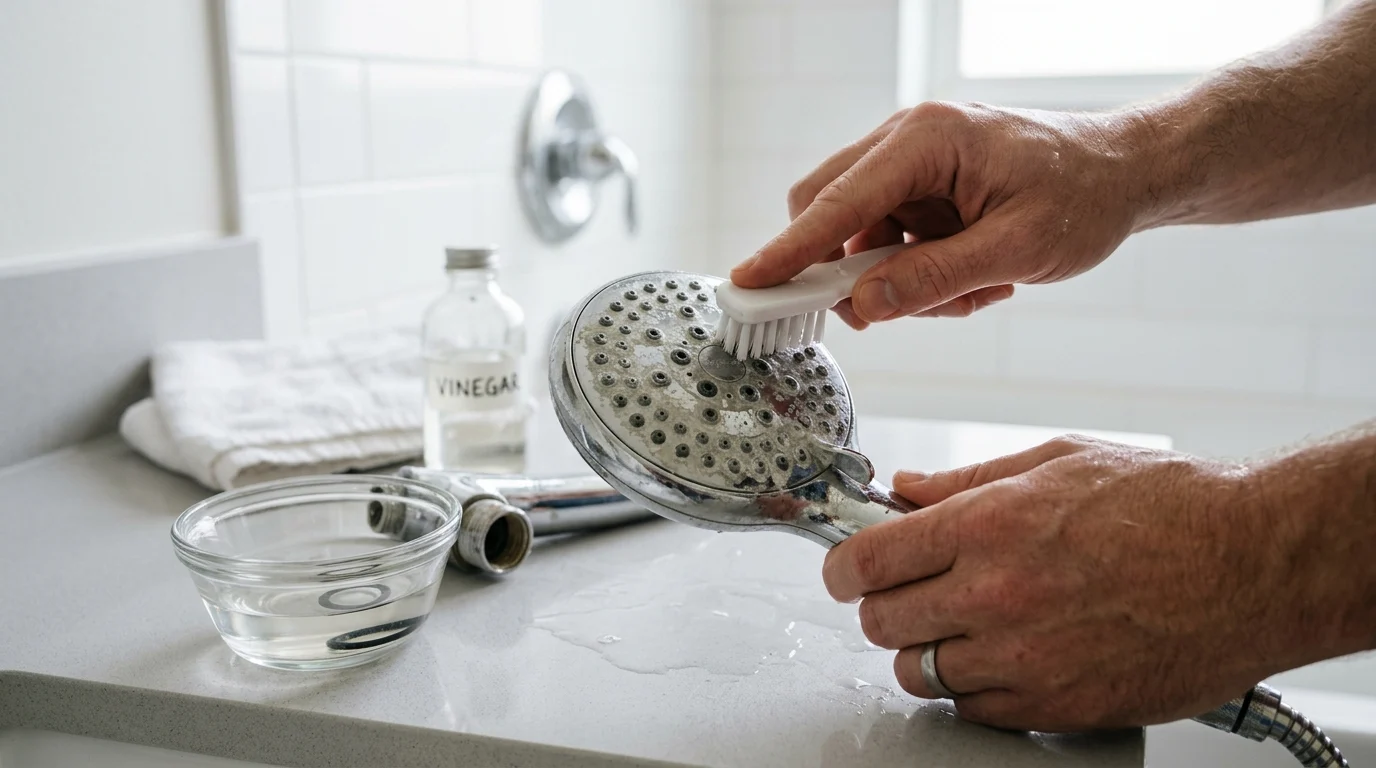
Hard water can turn a well-engineered shower into an uneven, sputtering fixture long before the product itself wears out. Calcium and magnesium deposits gradually narrow nozzle openings, distort spray patterns, and increase maintenance demands—especially in hot showers where evaporation leaves concentrated mineral residue behind. The good news is that nozzle design and material selection make a measurable difference. Flexible silicone outlets, larger orifices, and filtration-focused Shower Heads can help reduce clogging and simplify cleaning, while ultra-fine spray designs may require more frequent care. This guide explains how limescale forms, which nozzle features perform better in mineral-rich water, and how to maintain consistent spray performance over time.
How Hard Water Affects Shower Head Nozzles
Hard water, characterized by elevated concentrations of dissolved calcium and magnesium, poses a persistent operational challenge for residential and commercial plumbing fixtures. Understanding the mechanics of mineral deposition is crucial for selecting appropriate hardware and establishing highly effective Hard Water Shower Head maintenance protocols.
As water exits the fixture, the interaction between mineral-heavy fluid and the physical nozzle geometry dictates the rate of scale accumulation. Without intervention, this buildup rapidly compromises the engineered fluid dynamics of the system.
Why mineral buildup changes spray performance
When calcium carbonate (CaCO3) precipitates and accumulates around nozzle orifices, it fundamentally alters the internal geometry of the spray channels. This distortion disrupts the intended laminar or turbulent flow designed by manufacturers, often significantly reducing water flow over a matter of months in geographic areas with hard water.
As the orifice narrows due to mineral encrustation, localized water velocity increases unevenly. This flow bottleneck causes erratic spray trajectories, localized pressure spikes, and a heavily degraded overall user experience.
How heat and evaporation increase limescale
Calcium carbonate precipitation is characterized by inverse solubility; as water temperature rises during a typical hot shower, the scaling process accelerates significantly. Furthermore, post-shower evaporation plays a critical role in long-term buildup.
After the water supply is shut off, residual droplets remain trapped within the nozzle cavity due to surface tension. As this static water evaporates, it leaves behind a highly concentrated mineral matrix that bonds aggressively to the nozzle substrate, compounding the physical obstruction layer by layer with each use.
What nozzle design can and cannot prevent
While advanced nozzle geometries are engineered to minimize the available surface area for scale adhesion, no purely physical design can entirely eliminate chemical precipitation. Engineering interventions primarily focus on facilitating the mechanical detachment of scale rather than preventing the mineral crystallization itself.
For instance, while a specific hydrophobic nozzle shape might noticeably delay the onset of severe clogging compared to flat metal plates, it cannot alter the underlying mineral content of a hard water supply. Effective design mitigates the symptom, but managing the root cause requires active maintenance or chemical filtration. When deciding which shower head to buy for a hard water environment, the general rule is to choose models with flexible liquid silicone rubber (LSR) nozzles and standard-to-large orifices (≥0.8mm), while avoiding micro-mist heads.
Best Nozzle Materials for Hard Water
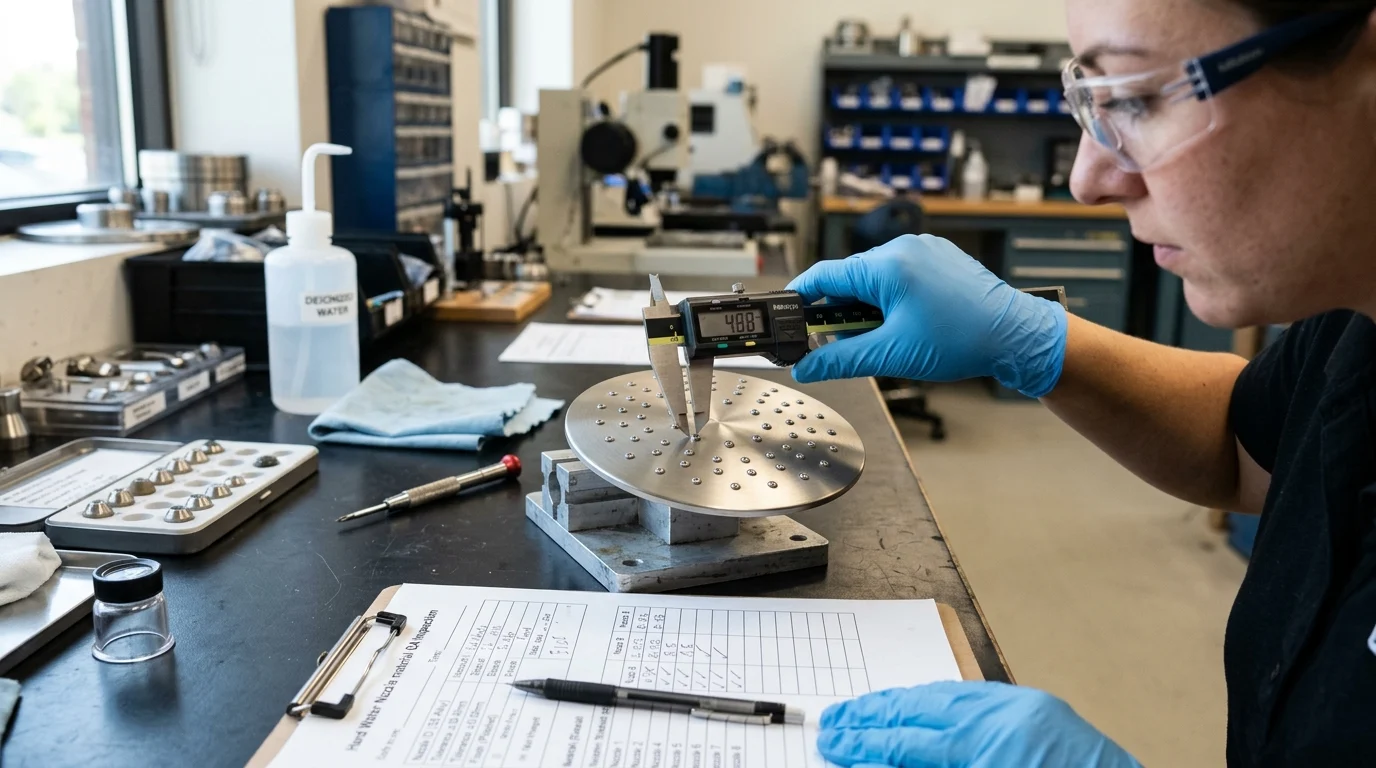
The material composition of a shower head nozzle dictates its baseline susceptibility to scale adhesion and its resilience against mechanical cleaning forces. Material selection serves as the foundational variable in mitigating long-term flow degradation and extending fixture lifespans.
Silicone nozzles for easy scale removal
High-consistency rubber (HCR) silicone and liquid silicone rubber (LSR) have become the industry standards for hard water environments. Silicone's inherently low surface energy severely inhibits the strong covalent bonding of calcium carbonate, making it difficult for scale to gain a permanent foothold.
Additionally, the high elasticity of silicone allows users to mechanically fracture and dislodge rigid limescale deposits simply by manipulating the flexible nozzle tips. This physical disruption breaks the brittle scale shell without damaging the underlying elastomer.
Thermoplastic and metal nozzle tradeoffs
Acrylonitrile Butadiene Styrene (ABS) plastics and brass nozzles present distinct maintenance challenges. While chrome-plated brass offers superior structural integrity and aesthetic appeal, its high surface energy encourages rapid, rigid scale adhesion.
Scale bonds tightly to metal and rigid plastics, almost always requiring chemical intervention for removal rather than physical wiping. Furthermore, ABS nozzles often suffer micro-abrasions from hard water particulates over time, which increases the microscopic surface area and provides new anchor points for accelerated scale growth.
Durability factors for high-use showers
In commercial, institutional, or hospitality settings experiencing frequent daily shower cycles, material fatigue becomes a primary specification concern. While standard silicone excels in scale rejection, lower-grade elastomers can permanently degrade, stiffen, or tear after thousands of mechanical flex cycles.
Specifying medical-grade or peroxide-cured silicone ensures long-term structural integrity. These premium materials maintain their scale-release properties over a multi-year service life, even under rigorous and frequent cleaning regimens.
| Material Type | Surface Energy (Adhesion Risk) | Scale Adhesion Resistance | Flexural Durability |
|---|---|---|---|
| Premium LSR Silicone | Low | Excellent | Excellent |
| Standard TPE/Rubber | Moderate | Good | Good |
| ABS Plastic | High | Poor | N/A (Rigid) |
| Chrome-Plated Brass | Very High | Very Poor | N/A (Rigid) |
Nozzle Design Features That Reduce Buildup
Beyond base materials, the geometric and fluid dynamic design of the nozzle array plays a critical role in managing ongoing scale accumulation. Effective designs manipulate water velocity, droplet formation, and physical flexibility to expel mineral deposits before they cause total occlusion.
Flexible spray holes and rub-clean tips
The ubiquitous "rub-clean" nozzle configuration relies on a protruding, tapered silicone tip extending slightly beyond the rigid faceplate of the shower head. This specific protrusion provides the necessary leverage for mechanical manipulation.
When lateral force is applied by a hand or sponge, the flexible tip distorts. Because the calcium carbonate shell is highly brittle, this structural distortion causes the scale to shatter, allowing the fragments to be flushed away during the subsequent water cycle without chemical soaking.
Spray pattern and hole size considerations
Orifice diameter directly influences a fixture's vulnerability to clogging. Micro-nozzles, typically engineered to create atomized mist or high-velocity spray patterns, are highly susceptible to rapid occlusion in hard water environments.
Conversely, standard orifices ranging from 0.8 to 1.2 millimeters provide sufficient clearance to tolerate minor scaling without catastrophic flow restriction. This sizing balances the need for adequate spray velocity with the practical necessity of scale tolerance, making them the recommended choice for mineral-heavy water.
Flow restrictors, aeration, and clog risk
Modern plumbing fixtures incorporate internal flow restrictors to meet the Environmental Protection Agency (EPA) WaterSense maximum standard of 2.0 gallons per minute (gpm). To maintain perceived water pressure at these lower flow rates, many units utilize aeration.
However, the Venturi chambers used to introduce air into the water stream create low-pressure zones that can accelerate localized evaporation and internal scaling. Careful fluid dynamic design of these internal channels is required to prevent upstream blockages that would otherwise render the external, scale-resistant silicone nozzles completely ineffective. Note that removing water restrictors to combat clogging is often against local plumbing codes and can void manufacturer warranties.
How to Compare Hard Water Shower Head Nozzles
Evaluating shower heads for hard water resilience requires a systematic analysis of material properties, fluid dynamics, and the intended application environment. A quantifiable approach to comparison ensures optimal performance and minimizes long-term operational expenditures.
Scale resistance and cleanability
The primary metric for comparing hard water fixtures is the time-to-occlusion under typical hardness levels, paired with the effort required to restore flow. Fixtures should be evaluated on the mechanical force required to clear the nozzles.
High-grade silicone arrays typically require only gentle finger pressure to fracture standard scale deposits. In contrast, rigid polymer or metal arrays necessitate chemical soaking protocols often exceeding 30 minutes to achieve similar flow restoration.
Water pressure and user comfort
Hard water buildup disproportionately affects plumbing systems already operating under low static pressure. In environments with lower line pressures, even a minor reduction in nozzle diameter due to scaling can result in a functionally inadequate spray.
Specifying shower heads equipped with pressure-compensating flow regulators ensures that water output remains consistent across a wider range of scale accumulation, maintaining user comfort even as the fixture approaches its next maintenance cycle.
Best choices for homes, hotels, and facilities
Facility managers and homeowners must balance upfront hardware costs with ongoing maintenance overhead. For standard residential applications, a consumer-grade LSR rub-clean array is usually sufficient to manage moderate hardness.
In high-turnover commercial or hospitality environments, fixtures must withstand daily aggressive cleaning protocols. Commercial specifications often demand shower heads with anti-microbial silicone formulations and larger average orifice sizes (typically 1.0mm or greater) to extend the fixture's lifespan and reduce maintenance frequency.
| Environment | Recommended Nozzle Material | Minimum Orifice Size | Expected Maintenance Interval |
|---|---|---|---|
| Residential | LSR Silicone | 0.8 mm | 4-6 weeks |
| Hospitality | Peroxide-Cured Silicone | 1.0 mm | 2-3 weeks |
| Healthcare / Gym | Anti-microbial Silicone | 1.2 mm | 1-2 weeks |
Maintenance Practices That Extend Nozzle Life
Even the most advanced anti-scale engineering requires a structured hard water shower head maintenance program to ensure long-term functionality. Implementing validated cleaning protocols prevents irreversible material degradation and maintains optimal fluid dynamics.
Inspection and cleaning schedule
Proactive maintenance relies on scheduled intervals heavily dictated by local water hardness metrics. For moderately hard water supplies, a visual inspection and mechanical rub-clean cycle should be executed bi-weekly.
A more intensive chemical descaling is recommended on a quarterly basis. This deeper cleaning addresses internal chamber buildup and flow restrictor scaling that physical manipulation of the external nozzles cannot reach.
Safe descaling methods and chemical limits
Chemical interventions must utilize weak acids to avoid degrading the nozzle substrate or stripping the surrounding fixture finish. A 5% to 8% aqueous solution of acetic acid (commonly found in standard white vinegar) serves as the optimal, non-destructive descaling agent. Always check the manufacturer's warranty before soaking.
Submersion for 45 to 60 minutes effectively dissolves calcium carbonate without compromising the material structure of silicone nozzles. After a vinegar soak, rinse the fixture thoroughly with water to remove any lingering acid and odor. Keep in mind that even mild acids can gradually degrade silicone with overly frequent use. Harsh mineral acids or strong bleach concentrations will cause rapid embrittlement of elastomers, often leading to total nozzle failure.
When to replace nozzles or add filtration
When water flow drops significantly despite rigorous chemical descaling, or when silicone nozzles exhibit visible micro-cracking and loss of elasticity, full fixture replacement becomes mandatory.
In geographic regions where water hardness is exceptionally high, physical maintenance yields diminishing returns. In these extreme environments, installing point-of-use or whole-house ion-exchange water softeners becomes economically viable. Softening the water supply virtually eliminates calcium carbonate scaling at the source, substantially extending the operational lifespan of shower fixtures.
Key Takeaways
- Choose flexible silicone nozzles, such as LSR or HCR, because their low surface energy and elasticity make mineral deposits easier to rub away.
- Select standard-to-large nozzle openings of at least 0.8 mm in hard water areas to reduce the risk of rapid clogging.
- Avoid micro-mist shower heads where water hardness is high, because tiny outlets are more vulnerable to calcium carbonate obstruction.
- Clean nozzles regularly, since heat, evaporation, and trapped droplets leave mineral residue after every shower.
- Use filtration or water treatment when possible, because nozzle design can slow limescale buildup but cannot remove calcium and magnesium from the water supply.
Frequently Asked Questions
What shower head nozzle material is best for hard water?
Flexible silicone nozzles, especially LSR or HCR silicone, are best because limescale adheres less strongly and can often be rubbed away by hand during routine cleaning.
Do filter shower heads prevent limescale completely?
No. Filtration-focused shower heads can help reduce certain impurities and improve shower comfort, but hard water minerals may still create scale unless the water is softened or the nozzle is cleaned regularly.
What nozzle size works better in hard water areas?
Standard-to-large nozzle openings, generally 0.8 mm or larger, are less likely to clog quickly than very fine mist outlets because they leave more room for mineral buildup before spray performance drops.
Are micro-mist shower heads good for hard water?
They are usually not ideal. Micro-mist designs use very small openings, which can clog faster when calcium and magnesium deposits accumulate around the nozzle outlets.
How often should I clean a shower head in a hard water home?
For hard water areas, wipe silicone nozzles weekly and descale the shower head monthly or whenever spray becomes uneven, weak, or angled.