


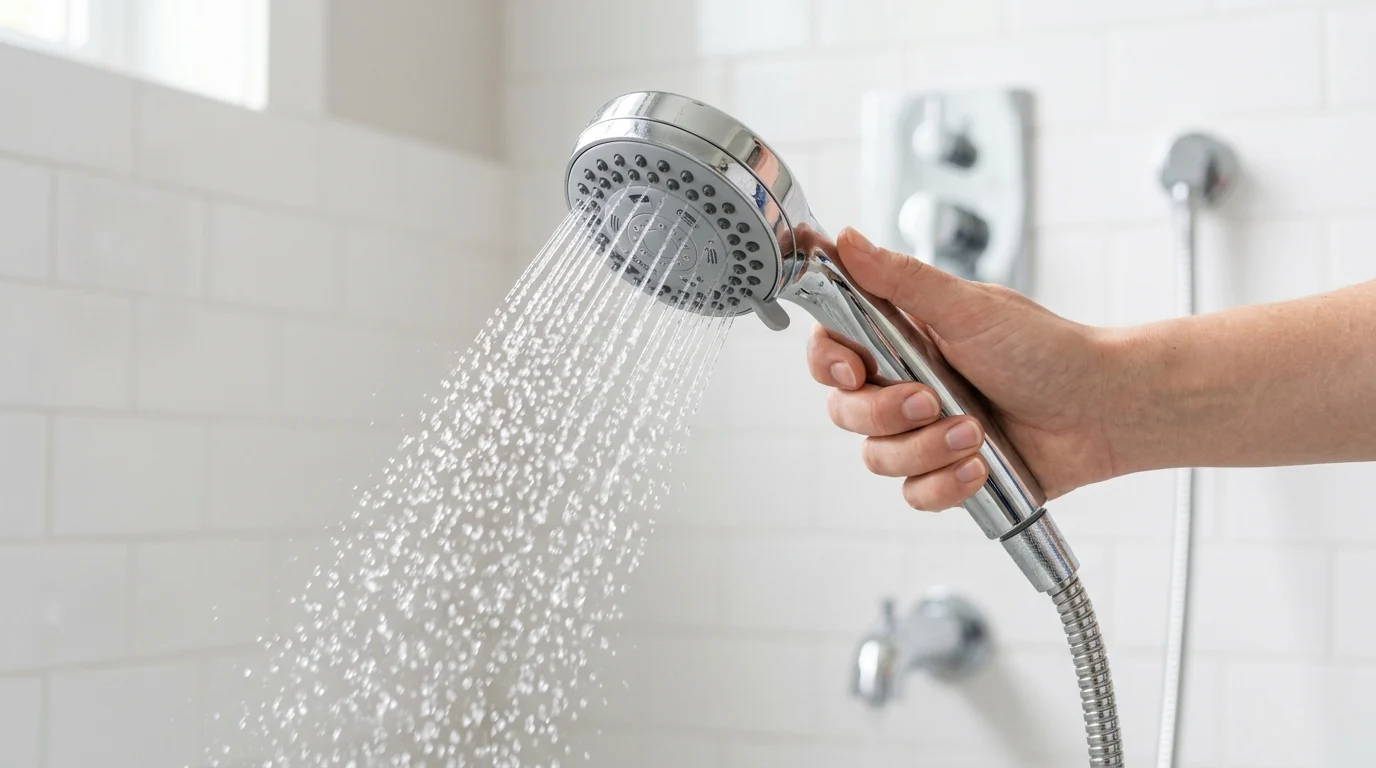
A handheld shower can make a family bathroom more comfortable, efficient, and easier to share—but only if the spray settings match real daily routines. Children may need a softer rinse, active adults often want stronger pressure, and older users may prefer a lightweight handle with gentle coverage. At the same time, flow-rate limits such as 2.5 GPM federal caps, 2.0 GPM WaterSense standards, and stricter 1.8 GPM rules in some regions mean nozzle design matters as much as the number of modes. This guide explains the most common handheld shower spray patterns, where each performs best, and how to choose a practical multi-function model for everyday family use.
How to Choose Handheld Shower Spray Settings for Daily Use
Choosing the right Shower Settings comes down to understanding your family's daily routines and your home's plumbing. For most households,a showerhead offering a few distinct modes provides the best balance of comfort and practicality. While it might be tempting to buy a model with a dozen options, a few well-chosen settings ensure everyone from kids to grandparents gets a great shower without sacrificing water pressure.
Why spray settings affect comfort and water use
The design of a showerhead shapes how water flows, which directly impacts how the spray feels and how much water you use. Federal regulations cap showerhead flow rates at 2.5 gallons per minute (GPM). EPA WaterSense models certify at 2.0 GPM, while some states like California restrict flow further to 1.8 GPM. Different spray modes change how this limited amount of water is delivered, and perceived pressure depends heavily on both this GPM limit and the nozzle design. For example, a fine mist spreads the water out for a gentle, spa-like feel, while a concentrated jet focuses the flow to give you a stronger, more powerful rinse.
Which family needs should guide selection
Think about who will be using the shower most often. A home with young children, elderly family members, and active adults needs flexibility. A multi-function showerhead allows everyone to adjust the water pressure and coverage to their liking without needing to swap out fixtures. When shopping, you should also consider the weight of the handle, the quality of the swivel hardware, and the hose. Heavy handles can be difficult for children or users with arthritis to hold comfortably, and a longer, kink-resistant hose makes bathing kids or pets much easier.
Common Handheld Shower Spray Settings Explained

Modern handheld showerheads use internal valves to direct water through different sets of nozzles. Understanding how these common spray modes work mechanically can help you choose a model that is durable, efficient, and enjoyable to use.
Rain, full spray, massage, mist, and jet modes
The most popular spray modes include Rain, Full Spray, Massage, Mist, and Jet. Rain modes use wider nozzles to mimic a gentle downpour. Full spray uses most of the showerhead's face for wide coverage. Massage settings use internal turbines to create a pulsating stream. Mist settings force water through tiny holes to create an atomized fog. Finally, Jet modes focus the water through a few central nozzles for a high-velocity stream.
Key performance factors to compare
When comparing these modes, consider the size of the showerhead and the nozzles. A wider faceplate provides broader coverage, but multi-function showerheads can sometimes reduce the overall water flow compared to simpler, single-function models, as the water has to travel through more complex internal parts.
| Spray Mode | Nozzle Size Profile | Relative Force | Primary Application |
|---|---|---|---|
| Mist | Micro-fine | Gentle | Gentle rinsing, facial washing |
| Rain | Wide | Soft to Moderate | Comfort, full-body soaking |
| Full Spray | Standard | Moderate | Daily hygiene, shampoo rinsing |
| Massage | Medium (Pulsating) | Strong | Muscle therapy, targeted relief |
| Jet | Clustered | Very Strong | Heavy cleaning, deep rinsing |
Best Spray Settings for Different Users
People of different ages and physical conditions have different preferences when it comes to water pressure. Matching the right spray modes to your family's needs ensures a comfortable and practical shower experience.
Settings for children and sensitive users
Children, elderly users, and those with sensitive skin usually prefer settings with a softer impact. Aerated sprays, which mix ambient air into the water stream, create large, plump droplets that feel gentle enough for fragile skin. Mist settings are also excellent for these users, providing a warm, soothing feel and gentle coverage without the harshness of a strong, direct water stream.
Settings for adults and everyday rinsing
For everyday showers, standard full-body sprays or rain settings are usually the most efficient. To maximize your daily routine, consider these benefits:
- Broad Coverage: Full-body modes spread the water evenly over a wide area, making the most of your shower's flow rate.
- Efficient Rinsing: This wide distribution provides enough coverage and pressure to quickly wash away soap and thick shampoo.
- Time Savings: A consistent, wide spray cuts down on the overall time and water spent in the shower.
Settings for cleaning and targeted rinsing
Targeted rinsing and bathroom cleaning require a stronger, more focused water stream. Jet and massage settings are perfect for this: they offer deep-tissue relief for sore muscles and act as a high-pressure tool for cleaning the tub or shower walls. By forcing all the water through a few central nozzles, these settings create a powerful blast that easily cuts through thick hair or washes away soap scum from tile grout.
How to Test Spray Settings Before Buying
Finding the right showerhead means looking beyond the marketing claims on the box. It helps to understand your home's plumbing and check for quality features to ensure you get a fixture that performs well and lasts.
Check pressure compatibility
A multi-function showerhead will only perform well if your home has adequate water pressure to support its various modes. If your home has low pressure, a complex 5-function head might result in a weak, disappointing spray across all settings. Verifying your home's baseline water pressure helps you determine if you can support a multi-setting fixture or if you should stick to a simpler model designed to maximize force. Additionally, if your home has hard water, fine nozzles (like those used for mist) can easily clog. Look for showerheads with easy-to-clean silicone nozzles to prevent mineral buildup or plan for periodic descaling with a vinegar soak.
Review water-saving and anti-scald requirements
It is also important to consider how different modes interact with your plumbing's safety features. Showerheads with the EPA WaterSense label are specially designed to ensure settings like full spray or massage still feel powerful even with reduced water usage. Additionally, switching suddenly from a wide rain mode to a high-velocity jet setting can alter the flow rate enough to cause a tankless water heater to briefly fluctuate in temperature. It is important to note that anti-scald protection comes from the pressure-balancing or thermostatic valve behind the wall, not the showerhead itself. Ensuring your plumbing system has a modern valve will protect your family from accidental scalding when cycling through these spray options.
Test switching ease and spray consistency
Pay attention to how easy it is to switch between spray modes. Traditional dials on the faceplate can become stiff over time due to hard-water mineral buildup. Modern push-button controls located on the handle are often much easier to use, especially for children or anyone with limited hand strength. A well-made diverter switch will click smoothly into place, ensuring a consistent spray without leaking from the other nozzles.
Recommended Spray Setting Combinations for Families
Balancing your family's needs with your home's water pressure will help you find the perfect showerhead. The goal is to choose a model that is useful every day without being overly complicated.
Best all-around setting mix
A 3-function showerhead offering a Full Body Spray, a Massage mode, and a Concentrated Jet covers nearly all household needs without the pressure drop often seen in 7- or 8-function models. However, a high-quality 1-function showerhead might actually be the best choice for seniors or homes with weaker plumbing, as it guarantees a consistent, powerful spray without the mechanical complexity.
| Recommended Configuration | Target Demographic | Primary Benefit | Plumbing Requirement |
|---|---|---|---|
| 3-Function (Full, Massage, Jet) | Standard Families | High reliability, low pressure drop | Average pressure |
| 5-Function (Adds Mist, Rain) | Multi-generational | Maximum versatility, therapy options | High pressure |
| 1-Function (Aerated Full Spray) | Seniors / Low Pressure | Consistent force, simple operation | Low pressure tolerant |
When to prioritize comfort, coverage, or force
Your final choice should depend on your bathroom's specific conditions and what your household values most. Use this simple decision flow:
- If your household has children and seniors: Prioritize aerated full spray and mist settings for gentle rinsing.
- If your home has low water pressure: Choose a 1-function showerhead to maximize force and consistency.
- If your home has high water pressure: Opt for a 5-function model (adding rain and mist) to maximize coverage and comfort.
- If multiple generations share a bathroom: A multi-function head with a kink-resistant hose, durable swivel hardware, and push-button controls ensures everyone can find their ideal setting.
Quick-Decision Checklist for Daily Family Use:
- Best overall: 3-function (Full Spray, Massage, Jet).
- Best for kids/sensitive skin: Models with Aerated or Mist settings.
- Best for low pressure: 1-function aerated showerheads.
- Must-have features: Easy-to-clean silicone nozzles (for hard water) and an accessible diverter switch.
Key Takeaways
- Choose a handheld shower with 3-5 useful modes instead of many rarely used settings to keep daily operation simple for the whole family.
- Use full spray or rain mode for everyday bathing because they provide broad, comfortable coverage without feeling too harsh.
- Select jet or massage modes when stronger rinsing is needed, such as washing thick hair, cleaning the shower area, or rinsing after exercise.
- Compare flow rates carefully, since standard U.S. showerheads are capped at 2.5 GPM, WaterSense models use 2.0 GPM, and some states limit flow to 1.8 GPM.
- Prioritize a lightweight handle, durable swivel, and kink-resistant hose if children, elderly users, or pet bathing are part of the family routine.
- Consider water-saving and filtration-focused handheld shower designs if your household wants both efficient use and a cleaner showering experience.
Frequently Asked Questions
How many spray settings are best for a family handheld shower?
Most families do best with 3-5 practical modes, such as full spray, rain, massage, mist, and jet. This gives children, adults, and older users enough flexibility without making the showerhead complicated or reducing perceived pressure.
Which spray mode is best for everyday showers?
Full spray is usually the best daily setting because it uses most of the showerhead face for balanced coverage and comfortable rinsing. Rain mode is also good for gentle daily use, especially when comfort matters more than strong pressure.
What handheld shower setting helps with rinsing shampoo quickly?
A jet or concentrated spray setting is most effective for fast shampoo rinsing because it focuses water through fewer nozzles for stronger impact. It is especially useful for thick hair, active adults, and post-workout showers.
Are mist settings useful for family bathrooms?
Yes, mist settings can be useful for gentle rinsing, facial washing, and users who prefer a softer feel. However, they are not ideal for quick shampoo rinsing or heavy cleaning because the water is spread into very fine droplets.
What flow rate should I look for in a water-saving handheld shower?
In the U.S., showerheads are capped at 2.5 GPM, while WaterSense models use 2.0 GPM or less. Some regions require 1.8 GPM. For daily family use, choose an efficient model with well-designed nozzles to maintain comfortable pressure.
