


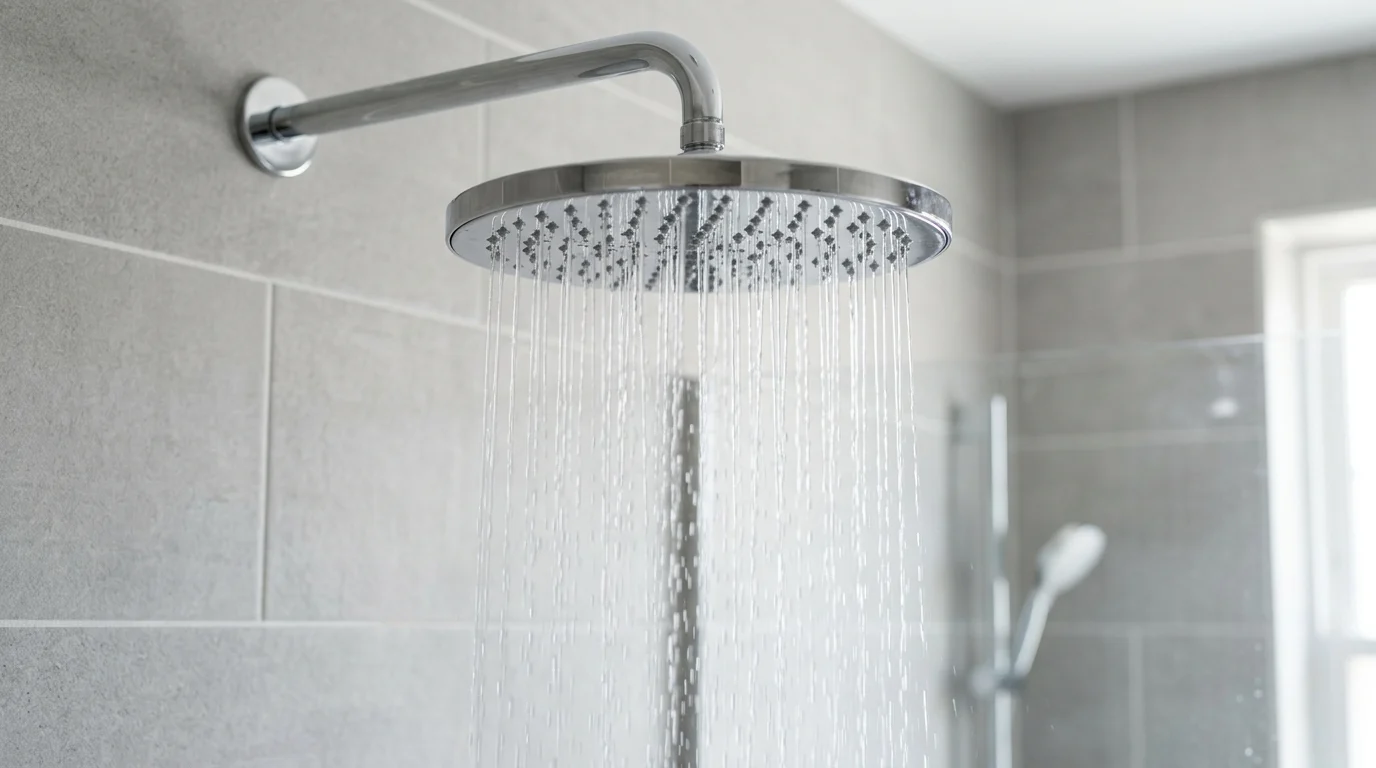
A rain-style shower can change the entire feel of a bathroom, but the best choice is not simply the largest or most attractive fixture on the shelf. Size, water pressure, mounting style, spray coverage, filtration, and water efficiency all affect how the shower performs day after day. Standard Rain Shower Heads often measure 8 to 12 inches, while luxury models can be much larger and may require stronger plumbing support. This guide explains what to compare before buying, from ceiling-mounted versus wall-mounted designs to comfort expectations, installation limits, and long-term value, so you can choose a shower head that looks refined and works reliably.
Why Buy a Rain Shower Head
Adding a rain shower head can transform your bathroom from a purely functional washroom into a relaxing, spa-like retreat. Unlike standard directional shower fixtures, rain shower heads are designed to simulate natural rainfall, using a wide surface area to deliver water directly overhead. This design fundamentally changes how water is distributed, emphasizing full-body coverage rather than concentrated water pressure.
Market trends show a growing preference for these fixtures in both home renovations and luxury hotels. Standard models typically span 8 to 12 inches in diameter, while high-end installations can exceed 16 inches or feature rectangular profiles covering up to 400 square inches. Understanding the mechanical and spatial requirements of these oversized fixtures is critical if you want to optimize both your daily comfort and your plumbing system's performance.
How It Changes Shower Comfort
The main appeal of a rain shower head is its ability to envelop you completely, eliminating the need to constantly rotate under a narrow stream of water. By distributing the water across dozens or even hundreds of individual nozzles, the fixture creates a gentle, gravity-fed sensation. This design prioritizes sensory relaxation and helps keep your entire body warm.
However, you should be aware that spreading the water out naturally diffuses the pressure. While a standard directional shower head might concentrate its water into a small, forceful cone, a large rain shower head spreads that exact same amount of water across a much larger surface area. If you prefer a deep-tissue massage experience, you might find the gentle nature of a rain shower too soft, which is why it is important to match the fixture's style to your personal preferences.
Which Buyer Goals Matter Most
When upgrading bathroom fixtures, you generally want to balance a modern look with a tangible return on investment (ROI). For homeowners, installing a premium rain shower head serves as a highly visible upgrade. Real estate data frequently suggests that spa-like bathroom renovations—specifically those featuring oversized, architectural-grade shower systems—can increase property value, often yielding an estimated cost recovery of 60 to 70 percent at resale depending on your local market.
Beyond financial metrics, your daily routine matters most. You should evaluate whether your primary goal is aesthetic luxury, eco-friendly water conservation, or creating a therapeutic environment. Clarifying these goals early prevents the common mistake of buying a visually impressive fixture that does not work well with your home's existing plumbing or your everyday needs.
Choose the Right Rain Shower Head Type
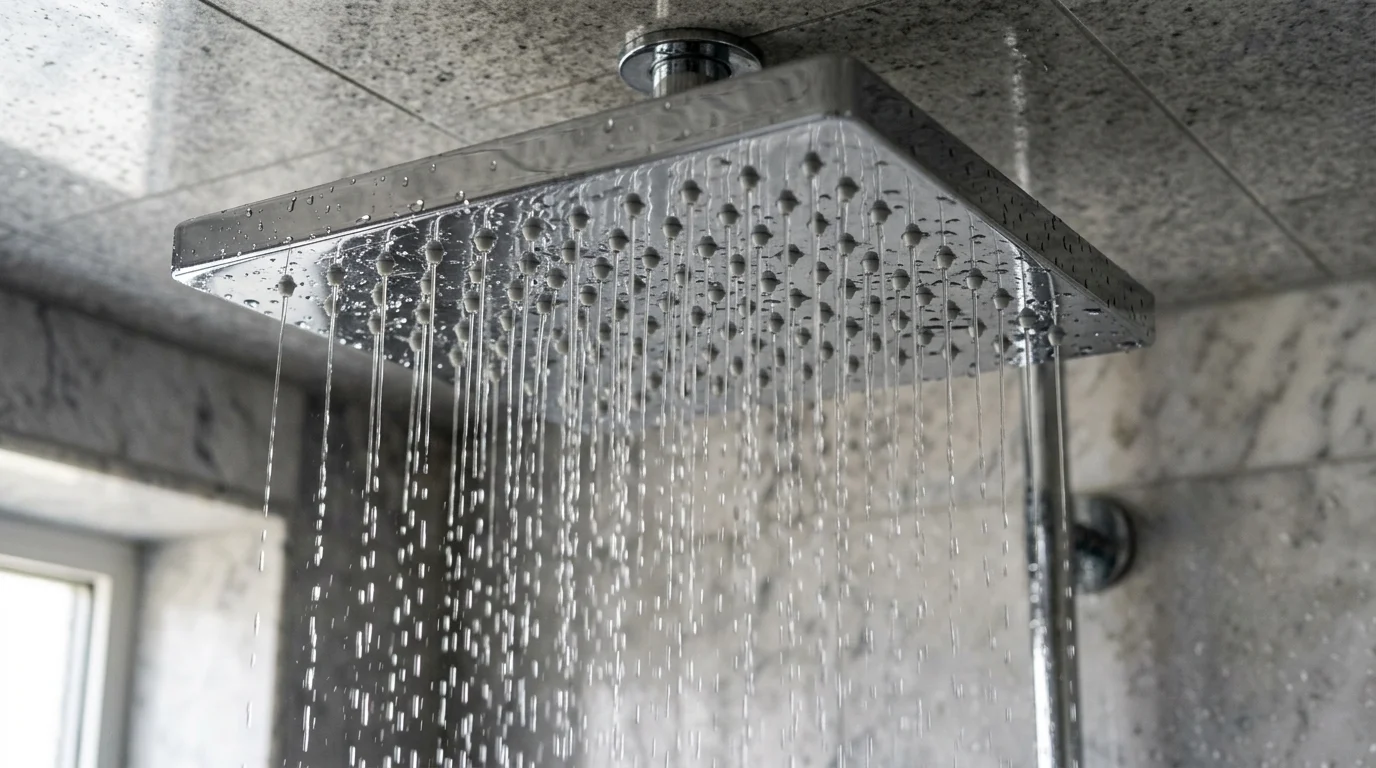
Choosing the right setup affects both the look of your shower and how easy it is to install. Rain shower heads are broadly categorized by how they are mounted, which directly influences the water delivery angle and compatibility with your current bathroom layout.
Ceiling-Mounted vs Wall-Mounted Options
Deciding between a ceiling-mounted and a wall-mounted configuration is the biggest structural choice you will make. Ceiling-mounted systems offer the most authentic rain experience, dropping water at a perfect 90-degree angle to the floor. However, this often requires opening the ceiling to route new supply lines, which significantly increases labor costs.
Wall-mounted systems provide a practical alternative for simple bathroom updates. By using an extended L-shaped or arched Shower Arm, you can position a large rain head over the center of the shower enclosure while still using your existing vertical plumbing inside the wall.
| Specification | Ceiling-Mounted Systems | Wall-Mounted Systems |
|---|---|---|
| Plumbing Requirement | Requires overhead water supply lines | Utilizes existing vertical wall pipes |
| Installation Cost | High (often requires drywall removal) | Low to Moderate (retrofit friendly) |
| Coverage Angle | True 90-degree vertical drop | Angled or extended via shower arm |
| Clearance Minimum | 84 inches from floor to ceiling | Varies based on extension arm length |
When to Add a Handheld Shower
Because rain shower heads provide a gentle, dispersed soak, they are often not enough for targeted rinsing tasks, such as washing thick hair, bathing pets, or cleaning the shower enclosure itself. To solve this problem, it is highly recommended to pair a fixed rain shower head with a separate handheld shower wand.
Setting up a dual-system requires a diverter valve, which can be integrated into the shower handle or installed as a separate component on the wall. A 3-way diverter allows you to send water exclusively to the rain head, exclusively to the handheld wand, or to both fixtures at the same time—provided your home's water pressure can handle the split flow.
Bathroom Layout Limits to Check
The size of your bathroom dictates how large your rain shower head can be and where it should go. The minimum recommended ceiling height for an overhead installation is 84 inches. Because rain shower heads hang downward from the ceiling or an extension arm, a low ceiling combined with a thick fixture can make the shower feel cramped and reduce headroom for taller individuals.
You must also measure the footprint of your shower pan or tub. Installing an oversized 16-inch rain head in a compact 32-inch stall will cause water to splash heavily against the glass doors and walls, potentially leaking onto the bathroom floor. As a general guideline, try to maintain an approximate 12-inch radial clearance between the edge of the shower head and the walls or doors of your shower space.
Compare Key Performance Specifications
When comparing rain shower heads, you need to look at specific technical details that determine how well the fixture will work and how long it will last. A beautiful design must be backed by solid engineering, especially when it comes to water flow, materials, and plumbing compatibility.
Flow Rate, Pressure, Spray Pattern, and Coverage
A rain shower head's performance relies heavily on its flow rate—measured in gallons per minute (GPM)—and how its internal channels are designed. While federal regulations cap standard fixtures at 2.5 GPM, many modern rain shower heads use air-induction technology to boost performance. This process pulls ambient air into the fixture and mixes it with the water stream to make each droplet larger.
Air-infused systems create the feeling of higher water volume and better pressure without actually using more water. Additionally, advanced models feature adjustable spray patterns, allowing you to switch between a soft, wide rain mode and a more concentrated central spray. You should also check the nozzle density; a 10-inch fixture with 100 nozzles will feel very different from the same sized fixture packed with 250 nozzles.
Materials, Finishes, and Nozzle Design
The materials used to build the shower head directly impact its lifespan and price. Entry-level models are frequently made from Acrylonitrile Butadiene Styrene (ABS) plastic, coated with a chrome or brushed nickel finish. While ABS plastic is lightweight and will not rust internally, it can crack over time under high heat or physical impact.
High-quality fixtures use solid brass or 304-grade stainless steel cores, offering excellent resistance to corrosion and wear. Regardless of the metal or plastic housing, premium rain shower heads almost always use medical-grade silicone nozzles. These flexible rubber-like nozzles resist mineral buildup and allow you to easily wipe away calcium deposits with your finger, which is essential for keeping the spray pattern even over the years.
Water Pressure, Heater Capacity, and Pipe Size
A common mistake when buying a large rain shower head is failing to check the home's existing plumbing. For fixtures larger than 10 inches, an ideal range is often around 45 to 60 PSI (Pounds per Square Inch), though this varies by model. If your home relies on a well-water system, older galvanized pipes, or a low-pressure municipal supply, a massive shower head might result in a weak, dripping output rather than a satisfying stream.
You must also consider your water heater. A rain shower head running at a full 2.5 GPM can deplete a standard 50-gallon water heater quickly—sometimes in under 20 minutes of continuous use. This estimate depends heavily on your incoming groundwater temperature, mixing ratios, and preferred shower temperature. Homes running multiple high-flow fixtures at once may need to upgrade to a high-capacity tank or a dedicated tankless water heater capable of keeping up with the demand.
Plan Installation, Compliance, and Maintenance
Successfully adding a rain shower head goes beyond just buying the product. Planning the installation, checking local water regulations, and knowing how to maintain the fixture are essential steps to ensure it works perfectly for years to come.
Measurements to Take Before Installation
Taking accurate measurements before you buy can save you from costly plumbing headaches. The standard connection for residential shower plumbing in North America is a 1/2-inch NPT (National Pipe Thread) fitting. You should verify that your chosen shower arm and the rain head use matching threads and that the arm can support the fixture's weight.
For ceiling installations, measure the distance from the structural ceiling joists down to the finished drywall so you can buy the correct length for the drop arm. Because solid brass rain shower heads can weigh between 5 and 15 pounds, the internal plumbing connection (often called a drop-ear elbow) must be securely screwed into wooden supports (structural blocking) inside the wall or ceiling to prevent the pipe from sagging or breaking.
Water-Efficiency Rules and Flow Restrictors
Water conservation laws heavily dictate which shower heads you can buy based on where you live. Manufacturers use internal flow restrictors to ensure their products comply with regional laws. You should check your local jurisdiction's maximum allowable flow rate before shopping so you don't accidentally purchase a fixture that cannot legally be shipped to your state.
| Jurisdiction / Standard | Maximum Allowed Flow Rate | Primary Enforcement Context |
|---|---|---|
| U.S. Federal Standard (EPAct) | 2.5 GPM | Baseline national requirement |
| WaterSense Certification (EPA) | 2.0 GPM | Voluntary eco-labeling program |
| California (CEC Title 20) | 1.8 GPM | Mandatory for all state retail sales |
| Colorado, Hawaii, Washington | 1.8 GPM | State-level environmental mandates |
Trying to manually remove factory-installed flow restrictors to increase water pressure violates plumbing codes in many areas and will void the manufacturer's warranty. If you live in a strict regulatory zone, look for fixtures specifically designed to feel powerful in low-flow environments, such as those using air-induction technology.
Cleaning Access, Clogs, and Mineral Buildup
Because rain shower heads sit horizontally, water tends to pool inside them after you turn off the shower. As this sitting water evaporates, dissolved minerals—mostly calcium and magnesium—are left behind, leading to scale buildup. This calcification clogs the nozzles, causing the water to shoot sideways or blocking the flow entirely.
To keep the fixture running smoothly, you will need to descale it regularly based on your local water quality. In regions with hard water (often considered anything over an estimated 120 parts per million), fixtures may require quarterly cleaning with a mild vinegar solution. Choosing a model with an easily removable faceplate or flexible silicone nozzles will make this routine maintenance much easier.
Make the Final Buying Decision
Finalizing your purchase requires balancing the spa-like experience you want with the practical limits of your bathroom and your budget. Reviewing these variables step-by-step ensures you get a durable and satisfying upgrade.
Budget vs Comfort Trade-Offs
The price range for rain shower fixtures is incredibly broad, depending mostly on the materials, the durability of the finish, and the brand. Entry-level, ABS plastic models designed for wall mounting can be found for $40 to $100. While these are budget-friendly, they generally only last 3 to 5 years before the finish fades or internal leaks develop.
On the other hand, architectural-grade, solid brass ceiling-mounted systems with advanced, highly durable finishes (like physical vapor deposition, or PVD) can range from $400 to over $1,200. The trade-off between budget and comfort is most obvious in how long the fixture lasts and how evenly it delivers water.
Key Takeaways
- Choose an 8- to 12-inch rain shower head for most bathrooms, and verify plumbing capacity before selecting oversized models above 16 inches.
- Expect a softer, more enveloping spray because rain shower heads distribute water across many nozzles instead of concentrating it into a narrow stream.
- Use a ceiling-mounted design for the most authentic 90-degree rainfall effect, or choose a wall-mounted model when easier retrofit installation matters more.
- Clarify whether your main goal is luxury, water saving, filtration, or resale value before buying a visually impressive fixture.
- Consider water-efficient, high-pressure, or Filtered Shower Head designs if your bathroom needs better performance, cleaner water, or lower consumption.
- Treat premium rain shower systems as both a comfort upgrade and a potential resale feature, with spa-like bathroom renovations often recovering about 60 to 70 percent of cost.
Frequently Asked Questions
What size rain shower head is best for a bathroom?
Most standard rain shower heads are 8 to 12 inches wide, which suits many home bathrooms. Larger models above 16 inches can feel more luxurious but may require stronger water flow, more ceiling or wall clearance, and proper plumbing support.
Do rain shower heads have lower water pressure?
They can feel gentler because the same water volume is spread across a wider surface. If you want stronger spray, look for high-pressure designs, optimized nozzles, or multi-function shower sets that combine rainfall coverage with a handheld or massage spray.
Is a ceiling-mounted rain shower head better than a wall-mounted one?
Ceiling-mounted models create the most natural rainfall effect because water falls straight down. Wall-mounted options are usually easier to retrofit and may work better when you want to avoid major plumbing changes.
Can a rain shower head help save water?
Yes, if you choose a water-efficient model with controlled flow and well-designed nozzles. XinYi Sanitary Ware specializes in water-saving shower heads and shower systems, making it possible to balance comfort, coverage, and reduced water use.
Should I choose a filtered rain shower head?
A filtered model can be useful if your water contains sediment, chlorine odor, or mineral buildup. Filtration-focused options such as ionic, anion, stone, and filter shower heads may support cleaner-feeling water and easier fixture maintenance.
