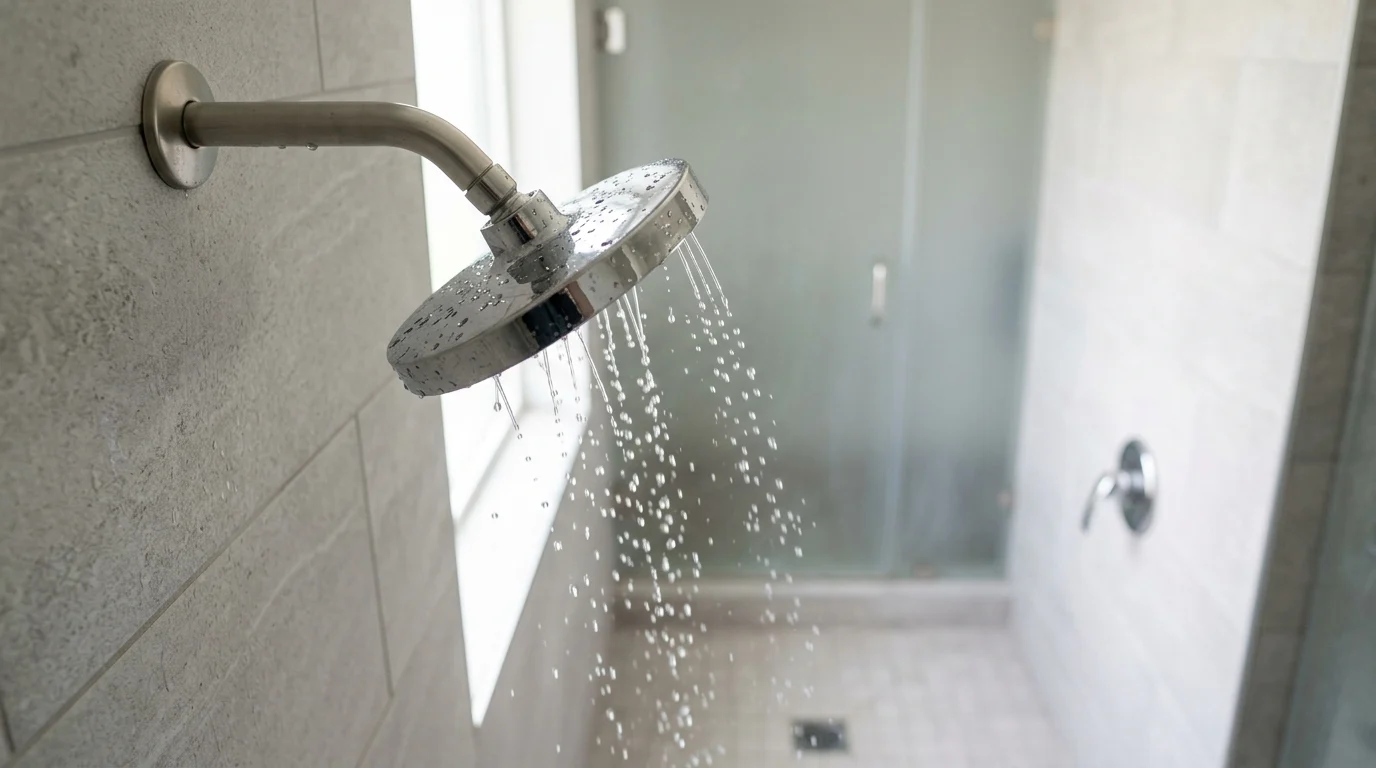
A weak apartment shower is not always caused by a lack of water—it is often caused by the wrong balance between GPM, PSI, and spray design. In low-pressure buildings, especially high-rise or older apartments, a high-flow fixture can actually make the shower feel softer by spreading limited pressure across too many nozzles. This guide explains why 1.5 to 1.75 GPM Shower Heads often perform better, how pressure-compensating nozzles improve velocity, and what renters, property managers, and product buyers should look for when upgrading. The goal is simple: better rinse performance, lower water use, and fewer complaints without major plumbing changes.
Why Low Pressure Shower Performance Matters
What shower head flow rate works best in low-pressure apartments? For most situations, a 1.5 to 1.75 GPM showerhead equipped with pressure-compensating nozzles is the best choice to restore a powerful spray. When static water pressure drops, standard fixtures fail to deliver adequate velocity, leading to weak showers and widespread dissatisfaction. Whether you are a renter looking for a quick bathroom upgrade or a facility manager handling large property portfolios, understanding why pressure drops matter is key to solving the problem.
Tenant satisfaction and perceived shower quality
Tenant satisfaction directly correlates with utility reliability and the perceived quality of daily amenities. Property management surveys suggest that plumbing irregularities—specifically inadequate shower pressure—typically account for up to 35% of non-emergency maintenance tickets in high-rise and pre-war residential buildings. Addressing this proactively reduces maintenance overhead and mitigates lease turnover risks. When tenants perceive the water pressure as weak, their overall valuation of the property's infrastructure declines, regardless of aesthetic upgrades in the bathroom.
Water pressure vs flow rate vs spray coverage
Understanding the fundamental distinction between pressure (measured in pounds per square inch, or PSI) and flow rate (gallons per minute, or GPM) is critical for resolving performance issues. A building might supply a robust 2.5 GPM of total water volume, but if the dynamic pressure at the Shower Arm falls below the standard 45 PSI threshold, the resulting spray will feel weak and ineffective.
For example, in a 12th-floor unit where the dynamic pressure is only 22 PSI, a standard wide-diameter showerhead will produce a hollow, drooping spray pattern that fails to rinse soap efficiently. Low velocity simply fails to push water evenly through the outer nozzles of the fixture. Keep in mind that results will always vary based on pipe diameter, valve type, and whether other fixtures are running simultaneously.
Best Flow Rate for Low Pressure Showers

Selecting the optimal flow rate for low-pressure environments often yields counterintuitive conclusions. Renters and facility managers frequently assume higher flow rates compensate for low pressure, but deploying a high-flow fixture on a low-pressure line actually exacerbates poor spray velocity.
Comparing 1.5, 1.75, and 2.0 GPM options
The table below illustrates typical guidelines for how different flow rates behave under compromised pressure conditions:
| Flow Rate (GPM) | Optimal Pressure Range | Typical Velocity Profile at 30 PSI | Compliance Suitability |
|---|---|---|---|
| 1.5 GPM | 20 - 40 PSI | Generally High (narrow nozzles) | Exceeds all state mandates |
| 1.75 GPM | 30 - 60 PSI | Moderate | Meets strict state codes (CA, NY, CO, WA) |
| 2.0 GPM | 45 - 80 PSI | Generally Low (weak spray) | Meets federal WaterSense standards |
When lower flow improves spray velocity
By forcing a restricted volume of water (such as 1.5 gallons per minute) through meticulously engineered, smaller micro-nozzles, the water accelerates. This application of the continuity equation ensures that even if the line pressure is sub-optimal, the tactile sensation of the water hitting the skin mimics a high-pressure system. A 2.0 GPM showerhead with large nozzles will simply allow low-pressure water to dribble out, whereas a 1.5 GPM fixture builds back-pressure internally to forcefully eject the droplets.
Recommended flow rate range for apartments
For apartment units suffering from systemic low pressure, a 1.5 to 1.75 GPM range is highly recommended. This bandwidth restricts the volume enough to build necessary back-pressure within the showerhead engine, thereby accelerating the droplets, while maintaining sufficient total water mass to ensure users can rinse shampoo effectively. Fixtures in this range typically operate excellently even when dynamic pressure dips to 25 PSI. Tenants can easily and legally swap their existing fixture for a model in this range, provided they keep the original showerhead to reinstall upon move-out.
Key Product Specifications to Compare
The internal architecture of the fixture dictates how it processes limited water supplies, making specific engineering specifications critical for both individual upgrades and bulk purchasing decisions.
Pressure-compensating restrictors and aeration
Unlike traditional fixed-hole restrictors, pressure-compensating restrictors utilize elastomeric O-rings that dynamically adjust their diameter based on incoming pressure fluctuations. This ensures a steady flow rate whether the unit is on the 2nd floor or the 20th. In tandem, aeration technology injects ambient air into the water stream, expanding the droplet size. Manufacturers estimate this engineering can increase the perceived water volume by up to 30% without utilizing additional water resources, making it highly effective for low-pressure applications.
Minimum operating pressure requirements
While conventional consumer fixtures are calibrated for a baseline of 45 to 60 PSI, specialized low-pressure models are engineered with minimum operating thresholds as low as 15 to 20 PSI. Installing a fixture rated for 45 PSI on a 25 PSI supply line will result in immediate complaints, making this specification a non-negotiable filter during the sourcing process.
Shortlist criteria for bulk purchasing
Facility directors evaluating shortlist criteria for bulk purchasing should look at several quantitative metrics. Key parameters typically include a target cost band of roughly $18 to $32 per unit for commercial-grade brass or high-impact ABS plastics, which ensures durability without overcapitalizing. Additionally, buyers often seek minimum order quantity (MOQ) flexibility—such as starting at 200 units for initial pilot testing—and look for a documented manufacturer defect rate (ideally below 0.5%) to ensure long-term lifecycle stability across the portfolio.
How to Diagnose Low Pressure Before Replacement
Important Caveat: A new showerhead cannot fix pressure problems caused by severe building-side issues like failing booster pumps or corroded risers.
Replacing a showerhead without diagnosing the root cause of low pressure can lead to wasted effort and repeated maintenance dispatches. A systematic diagnostic protocol separates isolated fixture failures from systemic plumbing deficiencies.
Field tests for building-side pressure issues
Using a simple pressure gauge attached directly to the shower arm, technicians or ambitious DIYers can measure both static pressure (valves closed) and dynamic pressure (water flowing). If the dynamic pressure drops below 20 PSI when other fixtures in the unit are operating, the building may require booster pump calibrations or pressure reducing valve (PRV) adjustments at the riser level rather than a simple fixture swap.
Cartridges, mixing valves, risers, and mineral buildup
Thermostatic mixing valves and shower cartridges are highly susceptible to mineral scale accumulation. In geographic areas with hard water, calcium carbonate buildup can reduce the internal diameter of piping and cartridges, sometimes choking flow rates by up to 50% over a five-year lifecycle. Similarly, older multi-family properties with galvanized risers may suffer from severe internal corrosion, severely restricting volume before it ever reaches the shower arm.
Retrofit steps that reduce callbacks
Technicians should be trained to flush the supply line for a minimum of 60 seconds without a fixture attached to clear out debris and scale. They must also verify that the new fixture's screen filter is properly seated. For properties with Total Dissolved Solids (TDS) that typically exceed 200 ppm, installing an inline scale inhibitor alongside the new low-pressure fixture extends the asset's operational lifespan and prevents the micro-nozzles from clogging.
A Note for Renters: Your Quick-Swap Checklist
If you are handling the upgrade yourself, follow these steps to ensure you get the right fix without violating your lease:
- What to buy: Look for a 1.5 to 1.75 GPM showerhead with pressure-compensating nozzles and a low minimum PSI rating (15-20 PSI).
- How to swap it: Use an adjustable wrench and Teflon tape. Unscrew the old head, clean the shower arm threads, apply new tape clockwise, and twist on the new fixture.
- Keep the original: Store the apartment's original showerhead safely under the sink so you can reinstall it before moving out.
- When to escalate: If the new showerhead doesn't improve the flow, or if water pressure drops severely when flushing a toilet, escalate the issue to your landlord—you likely have a building-side valve or pipe issue that requires professional maintenance.
How to Standardize the Right Shower Head
Establishing a standardized procurement protocol ensures consistent tenant experiences while maximizing utility rebates and compliance metrics across diverse, geographically dispersed property portfolios.
Decision matrix for comfort, cost, and compliance
A structured decision matrix aids facility directors in balancing tenant comfort, capital expenditure, and regulatory compliance during the selection process.
| Evaluation Criterion | Weight | Key Metric / Threshold | Strategic Goal |
|---|---|---|---|
| Tenant Comfort | 40% | Minimum 20 PSI dynamic capability | Reduce maintenance complaints |
| Regulatory Compliance | 30% | 1.5 - 1.8 GPM maximum | Adhere to CEC / WaterSense codes |
| Unit Cost | 20% | $15 - $35 per fixture | Optimize CAPEX for bulk rollouts |
| Durability / Material | 10% | Brass fittings, anti-clog nozzles | Lower annualized replacement costs |
When to standardize on one flow rate
Given the stringent regulations of the California Energy Commission (CEC)—and similar plumbing codes in states like Washington, Colorado, and New York—which mandate maximums of 1.8 GPM or lower, standardizing on a 1.5 or 1.75 GPM fixture globally ensures universal compliance. This strategy prevents the accidental installation of non-compliant fixtures in heavily regulated jurisdictions, avoiding potential municipal fines and ensuring maximum eligibility for water conservation rebates.
How procurement teams validate performance
A standard validation process involves installing a sample batch of 10 to 20 units in known low-pressure zones—such as top-floor apartments—and monitoring tenant feedback and maintenance tickets over a 30- to 60-day period. Only after empirical data confirms a measurable reduction in pressure-related complaints and verifiable water utility savings should the procurement team authorize a full, multi-thousand unit supply contract.
Key Takeaways
- Choose a 1.5 to 1.75 GPM shower head for most low-pressure apartments to improve spray velocity without wasting water.
- Avoid assuming that higher GPM means better performance, because 2.0 GPM fixtures can feel weak when dynamic pressure is below about 45 PSI.
- Prioritize pressure-compensating nozzles and smaller spray outlets, which help accelerate water and improve rinsing at lower PSI.
- Check building conditions such as pipe diameter, valve type, floor height, and simultaneous fixture use before blaming the shower head alone.
- For rental properties, upgrading shower heads can reduce pressure-related complaints and improve tenant satisfaction with minimal installation effort.
Frequently Asked Questions
What GPM is best for a low-pressure apartment shower?
For most low-pressure apartments, 1.5 to 1.75 GPM works best. These flow rates can improve spray velocity when paired with pressure-compensating nozzles, especially where dynamic pressure is around 20 to 40 PSI.
Does a higher GPM shower head fix low water pressure?
Usually no. A 2.0 GPM or higher shower head may feel weaker on a low-pressure line because the water spreads across more outlets. Lower-flow, well-engineered nozzles often create a stronger, more focused spray.
What is the difference between water pressure and flow rate?
Pressure is the force of water, measured in PSI, while flow rate is the water volume used per minute, measured in GPM. A shower can have adequate volume but still feel weak if pressure is too low.
Are 1.5 GPM shower heads comfortable for daily use?
Yes, if the shower head is designed for velocity and coverage. Models with micro-nozzles, pressure compensation, and multi-function spray settings can feel strong while using less water.
What features should renters look for in a low-pressure shower head?
Renters should look for 1.5 to 1.75 GPM flow, pressure-compensating nozzles, easy installation, removable filters, and adjustable spray modes. These upgrades are usually simple and do not require plumbing changes.