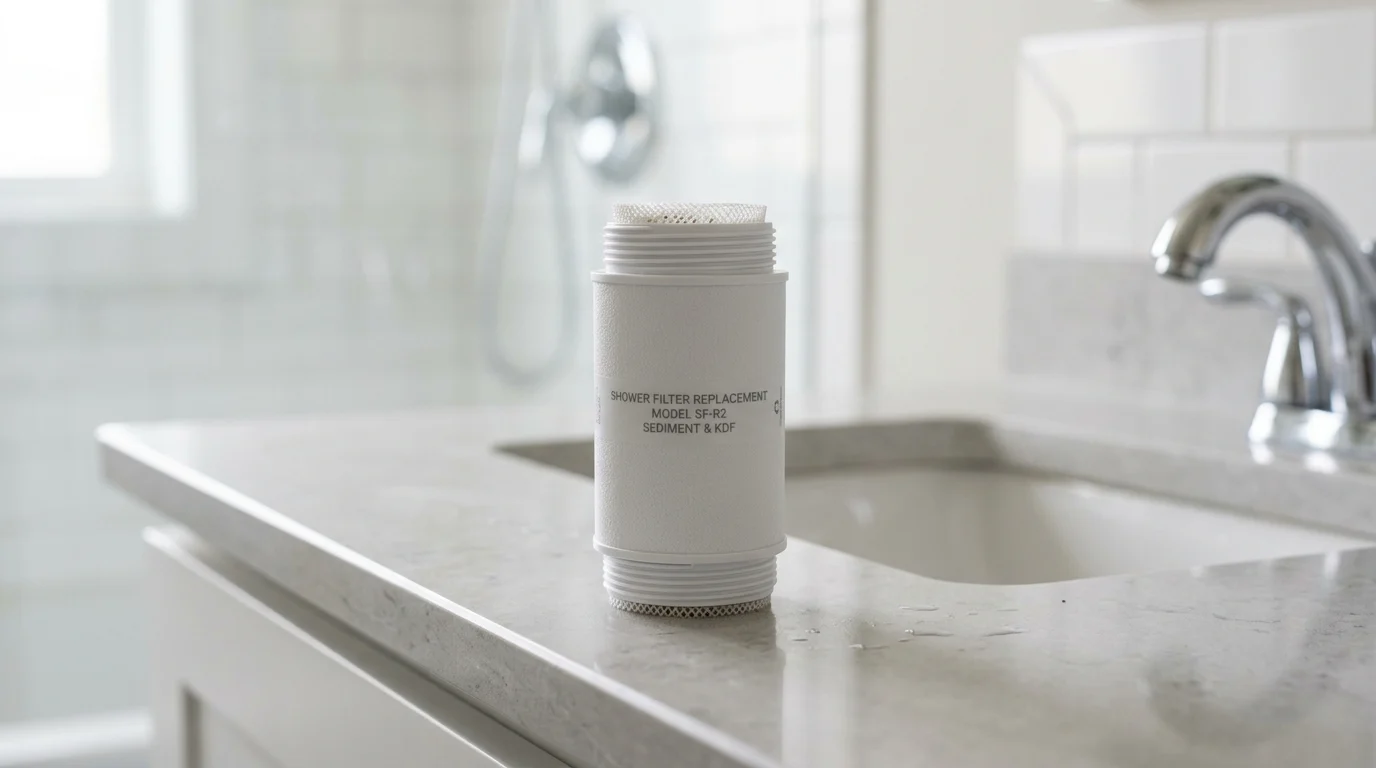
Cleaner shower water should not require replacing an entire fixture every few months. A replaceable Shower Filter cartridgeseparates the consumable filtration media from the reusable housing, helping households and commercial facilities control maintenance costs while reducing unnecessary plastic waste. This article explains how cartridge-based systems work, what media combinations are commonly used, and why flow rate, capacity, and housing compatibility matter. It also looks at real cost drivers, including replacement frequency, labor, and water conditions such as hardness or sediment. For buyers comparing shower filters, Hand Showers, and modular shower systems, understanding cartridge performance is essential to making a practical, long-term investment.
What Is a Replaceable Shower Filter Cartridge
A replaceable shower filter cartridge is the internal filtration component of a modular shower system designed to treat water. By separating the consumable filter media from the permanent exterior housing, users can optimize maintenance cycles and reduce the overall volume of plastic waste compared to discarding entire integrated units.
Key Components and Filter Media
Effective filtration requires specific media combinations to address chlorine, heavy metals, and scale buildup. Standard cartridges typically incorporate KDF-55, calcium sulfite, and activated carbon. High-performance models are designed to filter fine particulates, ensuring optimal water purity while maintaining consistent water flow. Third-party certifications verify media quality, as uncertified alternatives may underperform their rated capacity, making reliable sourcing essential.
Flow Rate, Capacity, and Housing Compatibility
Integrating a new filter into existing plumbing requires matching standard flow rates. Most quality models support between 1.5 and 2.5 gallons per minute (GPM), complying with modern conservation standards. These internal units must also align precisely with standard 1/2-inch National Pipe Thread (NPT) housings to ensure universal compatibility across diverse shower fixtures.
Service-Life Claims and Water Conditions
A filter's operational lifespan depends heavily on local water chemistry and usage. Typical industry estimates suggest a service life of 10,000 to 12,000 gallons, roughly translating to six months in an average residential setting. However, environments with hard water, high sediment, or elevated Total Dissolved Solids (TDS) may see a reduction in this lifespan, requiring more frequent changes. It is important to note that shower filters do not soften water or meaningfully reduce TDS, so users with very hard water may need a dedicated pre-softening solution rather than just more frequent cartridge changes. Additionally, always flush the system properly after installation to clear loose carbon dust and prime the media for maximum efficiency.
How Replaceable Cartridges Affect Long-Term Cost
Switching to a modular architecture shifts the cost structure of water treatment. This financial model applies to individual households and scales across multi-unit facilities like hotels, fitness centers, and apartment complexes, where ongoing maintenance budgets are closely monitored.
Reduced Recurring Replacement Costs
The primary economic benefit is the elimination of redundant hardware purchases. Depending on the vendor and media quality, a standalone replacement cartridge is typically estimated to cost between $10 and $25, whereas replacing an entire integrated shower filter unit often ranges from $40 to $80. The table below presents a hypothetical five-year scenario illustrating potential savings when replacing filters twice annually.
| Expense Category | Integrated Filter System (Est.) | Replaceable Cartridge System (Est.) | Cost Delta (5 Years) |
|---|---|---|---|
| Initial Hardware | ~$50.00 | ~$60.00 (Housing + Cartridge) | + $10.00 |
| Bi-Annual Replacement | ~$50.00 per unit | ~$15.00 per cartridge | - $35.00 per cycle |
| Hypothetical 5-Year Total (Initial + 10 Replacements) | ~$550.00 | ~$210.00 | - $340.00 (Estimated Savings) |
Labor, Downtime, and Maintenance Factors
Beyond hardware, labor and maintenance time are critical factors. Swapping a modular unit requires merely unscrewing the housing body, replacing the inner filter, and resealing—a quick process taking just a few minutes. In contrast, replacing a complete inline filter requires removing the entire fixture from the wall pipe, cleaning old sealant, re-applying thread tape, and testing for leaks.
Procurement Metrics to Track
To validate the investment in modular filtration, buyers should monitor a few key metrics. For commercial buyers, this might include Minimum Order Quantity (MOQ) thresholds for wholesale pricing. For all users, tracking the cost per thousand gallons filtered and noting the annualized replacement rate ensures accurate budgeting and timely maintenance.
How to Compare Cartridge Options
Selecting the best option requires careful comparison. Buyers must evaluate technical specifications, environmental suitability, and brand reliability to ensure consistent performance and end-user safety.
Cartridge Compatibility and Fit
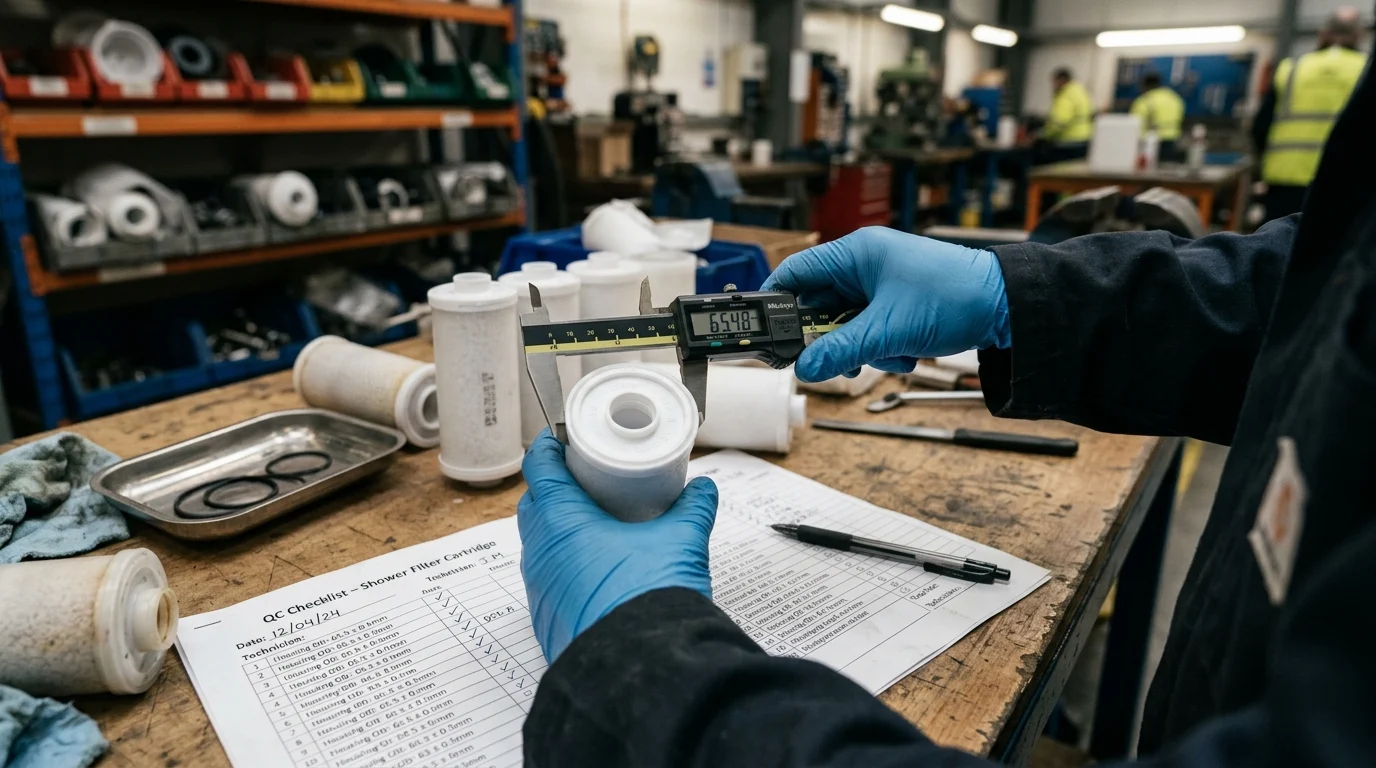
Dimensional precision is essential when evaluating fit. High-quality models maintain tight manufacturing tolerances to ensure proper seating within the outer housing. Furthermore, reliable dual O-ring configurations are necessary to withstand typical household water pressures without allowing untreated water to bypass the filtration media.
Water Quality and Usage Intensity
Media selection should match the specific water conditions of your region. Heavy municipal chlorination requires different media ratios than hard-water well systems. Note that third-party certification (such as NSF or WQA) is the most reliable way to validate the general capacity estimates listed below, as actual performance varies by manufacturer.
| Filter Media Type | Target Contaminants | Ideal Water Conditions | Typical Industry Estimate |
|---|---|---|---|
| KDF-55 | Chlorine, Heavy Metals | High temperature, municipal water | ~12,000 gallons |
| Calcium Sulfite | Rapid Chlorine reduction | High pressure, low contact time | ~10,000 gallons |
| Activated Carbon | VOCs, Odor, Chloramines | Low temperature, pre-filtered water | ~8,000 gallons |
| Vitamin C (Ascorbic Acid) | Chloramines | Hard water, high chloramine municipalities | ~5,000 gallons |
Supplier Reliability and Availability
A technically compatible product requires a reliable supply chain. Buyers should prioritize suppliers that maintain sufficient inventory to fulfill replacement orders promptly. Consistent stock availability and predictable shipping lead times ensure facilities are not left waiting when a filter reaches the end of its lifespan.
Best Practices for Sourcing and Installation
Successful long-term use relies on finding quality products and following standard installation procedures. Establishing these habits prevents premature hardware failures, ensures proper filtration, and mitigates the risk of plumbing leaks.
Supplier Validation and Continuity
Vendor validation should extend beyond initial pricing by examining manufacturing quality. Look for comprehensive third-party testing reports, such as NSF/ANSI 177 certification. It is important to note that this specific standard certifies the reduction of free available chlorine (an aesthetic effect) rather than health-related performance. Shower filter cartridges are generally cosmetic devices and do not make water microbiologically safe to consume, but certification remains a strong indicator of reliable media performance and low defect rates.
Replacement Process and Leak Prevention
Although designed for rapid interchangeability, installation steps must be followed carefully. Ensure the internal housing threads are clean and free of mineral buildup before inserting the new unit. When reattaching the main housing to the Shower Arm, apply a few wraps of thread seal (PTFE) tape to achieve a watertight seal. Hand-tighten the fixture to avoid thread fracture from over-torquing.
Documentation for Facilities Teams
Tracking lifecycles effectively is crucial. Homeowners can use calendar reminders, while commercial environments might implement digital maintenance logs or scannable QR codes affixed to the shower housings. Based on average daily use, automated alerts or simple reminders can be set to trigger a replacement check every six months.
When to Choose a Replaceable Shower Filter Cartridge
Choosing a modular system depends on specific needs, usage patterns, and spatial limitations. While these systems streamline maintenance, buyers should evaluate their unique facility requirements before transitioning.
Best Use Cases in Commercial and Residential Settings
The most compelling use cases exist in high-usage environments where water quality directly impacts satisfaction and plumbing longevity. Hospitality venues, fitness centers, and healthcare facilities benefit from standardized maintenance and volume discounts. In residential settings, homeowners and property managers utilize modular filtration as a functional upgrade, amortizing the initial setup cost over multiple replacement cycles.
Key Trade-Offs Before Selection
Decision-makers must weigh the benefits against a few practical limitations:
- Upfront Cost: The initial price of a durable, reusable metal or high-grade plastic housing is higher than a disposable all-in-one unit, requiring a brief payback period before savings are realized.
- Physical Footprint and Accessibility: Modular systems can add a few inches of length to the shower arm assembly. For commercial facilities, it is recommended to check local accessibility requirements to ensure the lowered showerhead height remains compliant.
- Disposal: While modular designs reduce the total volume of plastic waste compared to integrated units, the spent cartridges contain mixed media and typically cannot be recycled, meaning they must be disposed of in standard household waste.
Key Takeaways
- Choose a modular shower filter system so you can replace only the cartridge instead of discarding the full housing each maintenance cycle.
- Check that the cartridge supports a practical flow rate of about 1.5 to 2.5 GPM before pairing it with modern water-saving shower fixtures.
- Plan cartridge changes around the typical 10,000 to 12,000 gallon service-life range, but shorten the interval in areas with hard water or high sediment.
- Compare five-year ownership costs because cartridges priced around $10 to $25 can be far cheaper than replacing full integrated filter units costing about $40 to $80.
- Flush the shower filter after installation to clear loose carbon dust and prepare the filtration media for effective performance.
- Verify housing compatibility, media quality, and supplier reliability before buying replacement cartridges for homes, hotels, gyms, or multi-unit projects.
Frequently Asked Questions
What is a replaceable shower filter cartridge?
It is the internal filtering element inside a shower filter housing. Instead of replacing the full shower filter unit, users replace only the cartridge media that helps reduce chlorine, sediment, certain metals, and scale-related buildup.
How often should a shower filter cartridge be replaced?
Many cartridges are rated for about 10,000 to 12,000 gallons, often around six months for typical home use. Hard water, high sediment, or heavy daily usage may require more frequent replacement.
Can a replaceable cartridge lower long-term shower filtration costs?
Yes. A replacement cartridge often costs less than replacing an entire integrated filter unit. Over several years, changing only the consumable media can reduce recurring hardware costs and waste.
Do shower filter cartridges soften hard water?
No. Shower filter cartridges can help reduce chlorine, odors, sediment, and some impurities, but they do not meaningfully reduce TDS or soften water. Very hard water may require a dedicated water softener.
What flow rate should a quality shower filter cartridge support?
Many quality models are designed for about 1.5 to 2.5 GPM, which supports comfortable shower performance while aligning with modern water-saving standards.