


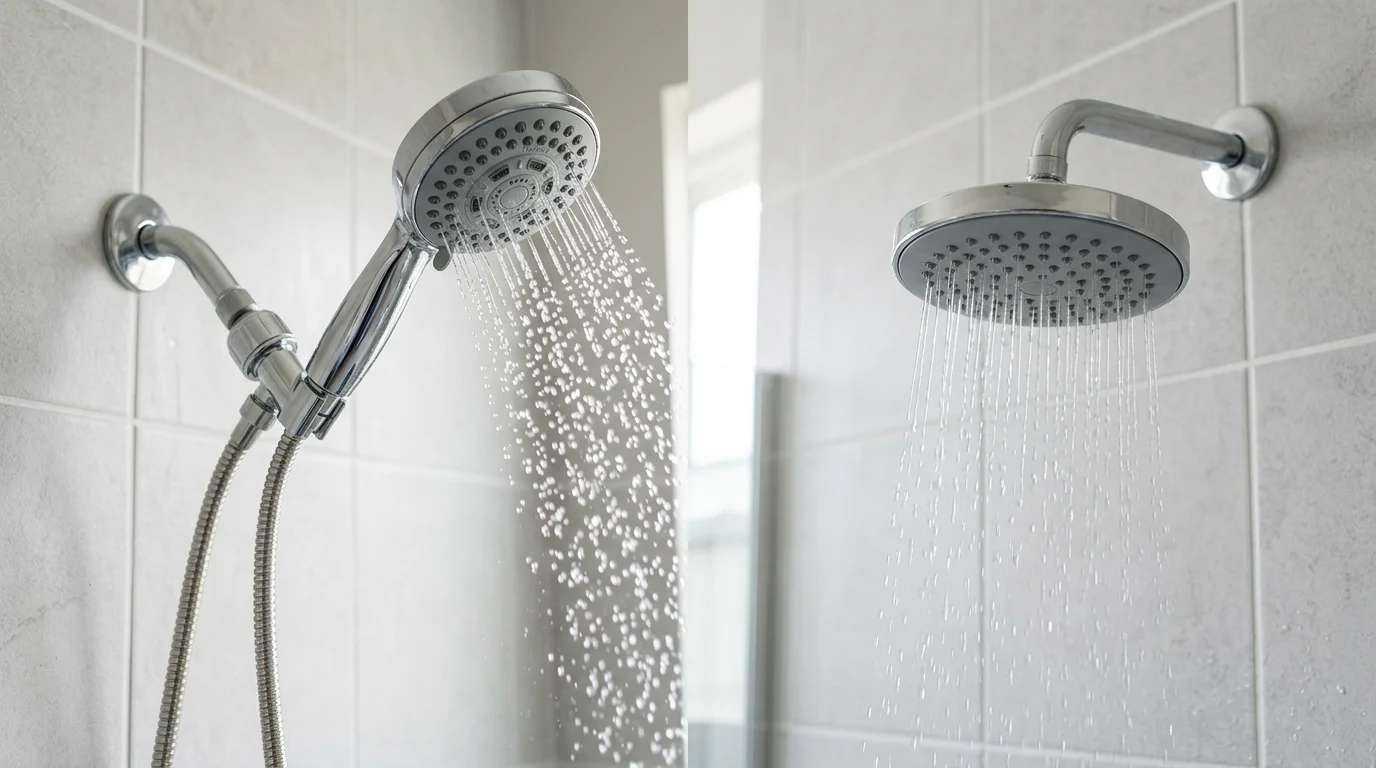
Choosing the right Shower Head assortment is no longer just a design decision—it directly affects sell-through, margin, and buyer satisfaction. In retail channels, shoppers increasingly expectadjustable spray modes, water-saving performance, and wellness-oriented features such as filtration. In B2B procurement, however, durability, simple maintenance, and unit cost often matter more than feature count. This article compares multi-function and single-spray shower heads from a commercial perspective, including channel fit, margin potential, technical complexity, and inventory strategy. For distributors, developers, and OEM/ODM buyers working with experienced manufacturers like XinYi Sanitary, understanding these differences can help turn a standard bathroom product category into a more profitable, better-targeted product mix.
Why the Shower Head Type Matters
Executive Summary: The commercial viability of multi-function versus single-spray shower heads is heavily dictated by the distribution channel. While retail markets often favor the feature-rich appeal of multi-function models, B2B channels traditionally prioritize the durability of single-spray units. However, it is important to note early on that not all single-spray SKUs are low-margin commodities; premium solid-brass or architectural single-spray heads can command luxury margins in high-end residential builds.
The decision to stock multi-function versus single-spray shower heads significantly impacts a distributor's inventory velocity, downstream pricing strategy, and overall profitability. While single-spray models historically dominated commercial and institutional applications, shifting consumer expectations have elevated multi-function units to standard requirements in residential markets. Representative supply chain data reveals that single-spray models frequently account for up to 60% of wholesale unit volume, yet they often represent only 35% to 40% of total revenue due to their highly commoditized price points in standard configurations.
Sales Channels That Favor Multi-Function Models
Retail environments, particularly big-box home improvement centers and e-commerce platforms, strongly favor multi-function models. End-users purchasing directly for bathroom upgrades are heavily influenced by feature sets, often seeking a minimum of three distinct spray patterns, such as wide rain, pulsating massage, and targeted mist. Conversely, wholesale distributors serving the hospitality sector, multi-family housing developers, and institutional facilities predominantly procure single-spray models to minimize upfront costs and reduce the likelihood of mechanical failures over high-turnover usage cycles.
How to Compare Sell-Through and Margin
Evaluating the true commercial viability of these categories requires a comparative analysis of sell-through rates against gross margins. In an illustrative retail scenario, multi-function shower heads typically command gross margins ranging from 35% to 45%, absorbing the higher initial cost of goods sold (COGS) through premium pricing strategies. Single-spray models, while benefiting from rapid inventory turnover in the B2B sector, often yield tighter margins of 20% to 28% for standard ABS plastic units. Distributors must balance the slower velocity of premium multi-function SKUs against the lower profitability but high volume of standard single-spray variants, factoring in the aforementioned luxury single-spray models that can elevate overall category margins.
How to Define Each Shower Head Type

Understanding the mechanical architecture of each shower head category is essential for accurate procurement. The fundamental engineering variance between a static spray face and an adjustable diverter dictates manufacturing complexity, material selection, and long-term durability.
Key Technical Differences
Single-spray shower heads operate via a straightforward internal waterway, directing water through a single manifold to a fixed configuration of nozzles. This simplicity results in a minimal bill of materials, typically comprising just two to three primary internal components. In contrast, multi-function models require a complex internal diverter mechanism, a rotating faceplate or click-lever, and isolated chambers for different spray patterns. This increases the internal component count to anywhere from 8 to 15 distinct parts. Consequently, representative supply chain data indicates that Asia-sourced plastic injection tooling costs scale dramatically, averaging $3,500 to $5,000 for a standard single-spray mold, compared to $12,000 to $18,000 for a five-function model.
Specifications to Standardize Before Comparing
Before executing a cost analysis between suppliers, procurement teams must standardize the baseline specifications. Evaluating a brass single-spray head against an ABS plastic multi-function head will yield skewed financial data. Standardized metrics must include the primary housing material (e.g., ABS, stainless steel, or solid brass), the plating standard (such as 24-hour acid salt spray testing for chrome finishes), and the presence of flow regulators. Establishing these baselines ensures that margin comparisons reflect actual feature premiums rather than material discrepancies.
| Specification Category | Single-Spray Baseline | Multi-Function Baseline |
|---|---|---|
| Component Count | 2-4 internal parts | 8-15 internal parts |
| Estimated Tooling Cost | $3,500 - $5,000 | $12,000 - $18,000 |
| Primary Materials | ABS, Brass, Stainless Steel | ABS, Brass, Stainless Steel |
| Diverter Mechanism | None | Ceramic or plastic rotary dial |
Key Factors in the Buying Decision
Procurement professionals must navigate a complex matrix of pricing, regulatory requirements, and end-user preferences when finalizing purchase orders. The optimal product mix aligns the technical capabilities of the shower head with the precise demands of the target market segment.
Price, Performance, and Water Efficiency
The wholesale cost disparity between the two types is substantial. Industry estimates suggest standard ABS single-spray models typically range from $1.50 to $3.50 FOB, allowing for aggressive volume pricing and deep discounting in commercial bids. Multi-function ABS models generally span $4.50 to $9.50 FOB, depending on the number of settings and the complexity of the diverter valve. Furthermore, water efficiency regulations and regional water-pressure variability heavily influence performance. Achieving a forceful spray at a restricted flow rate of 1.8 gallons per minute (GPM) is mechanically simpler in a single-spray design, especially in areas with low municipal water pressure. Multi-function heads must divide this limited water volume across larger faceplates and complex internal channels, sometimes resulting in a weaker perceived spray on certain settings.
Consumer and Installer Preferences
Installer preferences often conflict with consumer desires, creating a dichotomy that distributors must manage. Professional plumbers and commercial builders heavily favor single-spray models; the lack of moving parts translates to faster installation times and drastically reduced callback rates for mechanical failures. Conversely, the retail consumer market views shower heads as experiential upgrades. Market data indicates that retail buyers actively seek models with at least three functions, viewing the adjustable settings as a necessary feature for personalized comfort, even if they default to a single setting for daily use.
Additionally, the market is seeing a rapidly growing hybrid handheld category that blurs the simple single-spray versus multi-function binary. These hybrid units functionally replace fixed heads in many residential channels and significantly affect the procurement calculus by offering the installation ease of a single fixed point with the experiential benefits of a multi-function wand.
Comparison Table for Buyers
To navigate these diverging demands, buyers can utilize a structured comparison matrix to align product types with their primary distribution channels, ensuring that capital is deployed efficiently across the inventory portfolio.
| Buying Factor | Single-Spray Models | Multi-Function Models | Hybrid/Handheld Models |
|---|---|---|---|
| Target Channel | Hospitality, New Construction, Institutional | Big-Box Retail, E-Commerce, D2C Brands | Residential Remodel, D2C Brands, Retail |
| Estimated FOB Cost (ABS) | $1.50 - $3.50 | $4.50 - $9.50 | $6.50 - $14.00 |
| Margin Profile | Low margin, high volume (20-28%) | High margin, medium volume (35-45%) | Premium margin, medium volume (40-50%) |
| Installation Preference | Highly preferred by contractors | Preferred by DIY homeowners | Preferred by DIY homeowners and remodelers |
Sourcing, Compliance, and Operations
Transitioning from product selection to supply chain execution introduces variables in manufacturing compliance, quality control, and inventory management. The mechanical complexity of multi-function units inherently introduces more operational friction than their single-spray counterparts.
Component Complexity and Tooling
As detailed in the technical breakdown, the expanded bill of materials and intricate diverter mechanisms for multi-function models directly impact manufacturing lead times and minimum order quantities (MOQs). While a factory might accept an MOQ of 1,000 units for a standard single-spray head using existing molds, custom or semi-custom multi-function models frequently require MOQs of 3,000 to 5,000 units to justify the assembly line setup. Furthermore, the production cycle for multi-function units is typically 15 to 20 days longer due to the required ultrasonic welding of internal chambers, rigorous water-testing protocols, and the manual assembly of the click-mechanisms.
Certifications and Flow-Rate Rules
Regulatory compliance, particularly concerning water conservation, requires careful navigation. To achieve the voluntary EPA WaterSense certification (capped at 2.0 GPM) or comply with the mandatory California Energy Commission (CEC) Title 20 standard (capped at a strict 1.8 GPM), a multi-functIon Shower Head must be evaluated across its maximum flow conditions. If the unit's highest-flowing setting exceeds the regulatory cap, the entire fixture fails certification. Engineering flow regulators that perform consistently across varied internal pressure chambers without exceeding the maximum allowable flow rate requires advanced fluid dynamics, increasing sourcing complexity.
It is crucial to note that EPA WaterSense and CEC Title 20 are US-specific frameworks. International distributors must verify local flow-rate and certification rules—such as the EU CE marking, UK WRAS, or Australian WaterMark—rather than treating 1.8 GPM as a global standard.
Packaging, Inventory, and After-Sales Risk
Quality control data highlights the inherent warranty and post-sale liability associated with moving parts. Industry benchmarks suggest that high-quality single-spray shower heads experience defect rates below 0.5%, with failures primarily limited to cosmetic plating issues. Multi-function models, however, typically exhibit estimated defect rates between 1.5% and 2.5%. The most common failures include internal O-ring degradation, diverter plate leaks, and calcification in the smaller micro-nozzles used for mist settings. Consequently, distributors must allocate a larger percentage of their inventory budget to warranty replacements and protective blister packaging to prevent damage to the dials during transit.
How Brands and Distributors Should Decide
Determining the optimal ratio of multi-function to single-spray shower heads requires a strategic analysis of a brand’s specific market positioning and distribution network. There is no universal formula; rather, successful procurement relies on iterative testing and localized market intelligence.
Steps to Test Market Demand
Brands entering new markets should utilize a pilot testing phase to gauge actual sell-through velocity. By tracking point-of-sale (POS) data over an initial 90-day period, product managers can evaluate whether the higher margin of the complex models offsets the faster inventory turnover of the single-spray units. Analyzing warranty claims and return rates during this period is also critical for calculating the true landed cost before committing to a permanent inventory ratio.
When to Emphasize Multi-Function Models
Emphasizing multi-function models is highly recommended for direct-to-consumer (D2C) brands, premium hardware retailers, and companies targeting the residential remodeling sector. In these environments, the shower head serves as a focal point of bathroom luxury rather than a mere utility fixture. Brands that can effectively market proprietary spray technologies—such as air-injection mists or specialized kinetic massage streams—can command retail price points exceeding $50, easily absorbing the higher FOB costs and yielding exceptional profitability.
Final Decision Framework
Ultimately, a robust product portfolio requires a balanced integration of both formats based on channel data. As an illustrative scenario, commercial and contractor-focused distributors might establish an initial 80/20 inventory split, where 80% of their SKU count consists of highly reliable, low-cost single-spray models. Conversely, retail-oriented and D2C brands often invert this approach to a 70/30 split favoring multi-function models, dedicating the majority of their shelf space to three- and five-function units to maximize revenue per square foot.
These ratios are not universal industry benchmarks; the optimal SKU mix ultimately depends on localized market testing rather than fixed procurement rules. By aligning the mechanical complexity of the product with the specific risk tolerance and margin requirements of the sales channel, buyers can optimize both market penetration and long-term profitability.
Key Takeaways
- Match shower head assortment to the sales channel, with multi-function models prioritized for retail and e-commerce and single-spray models prioritized for hospitality, multifamily, and institutional buyers.
- Use margin data when planning inventory, because multi-function shower heads can reach roughly 35% to 45% gross margins while standard single-spray ABS units may sit around 20% to 28%.
- Do not treat all single-spray SKUs as commodities, since premium solid-brass or architectural single-spray heads can improve category profitability in high-end projects.
- Evaluate durability requirements carefully, because single-spray shower heads typically have only a few internal components while multi-function models may contain 8 to 15 parts.
- For consumer-facing channels, emphasize practical features such as rainfall, massage, mist, high pressure, water saving, and filtration to improve perceived value.
Frequently Asked Questions
Do multi-function shower heads sell better than single-spray models?
It depends on the channel. Multi-function models often sell better in retail and e-commerce because consumers value spray choices, while single-spray models usually move faster in B2B channels such as hospitality, apartments, and institutional projects.
Which shower head type offers higher margins?
Standard multi-function shower heads typically deliver higher retail gross margins, often around 35% to 45%. Standard single-spray ABS models may be closer to 20% to 28%, although premium brass or architectural single-spray models can command luxury margins.
Why do commercial buyers often prefer single-spray shower heads?
Commercial buyers prioritize durability, low cost, easy maintenance, and fewer failure points. A single-spray design has a simpler internal structure, making it practical for hotels, multifamily housing, and high-usage facilities.
What features help multi-function shower heads sell in retail?
Retail buyers often look for three or more spray settings, such as rainfall, massage, mist, or high-pressure modes. Water-saving performance, filtration options, and modern finishes can also improve shelf appeal and online conversion.
Are single-spray shower heads always low-end products?
No. While basic single-spray models are often cost-driven, premium versions made from solid brass or designed for architectural projects can sell at higher price points and support upscale residential or hotel specifications.