


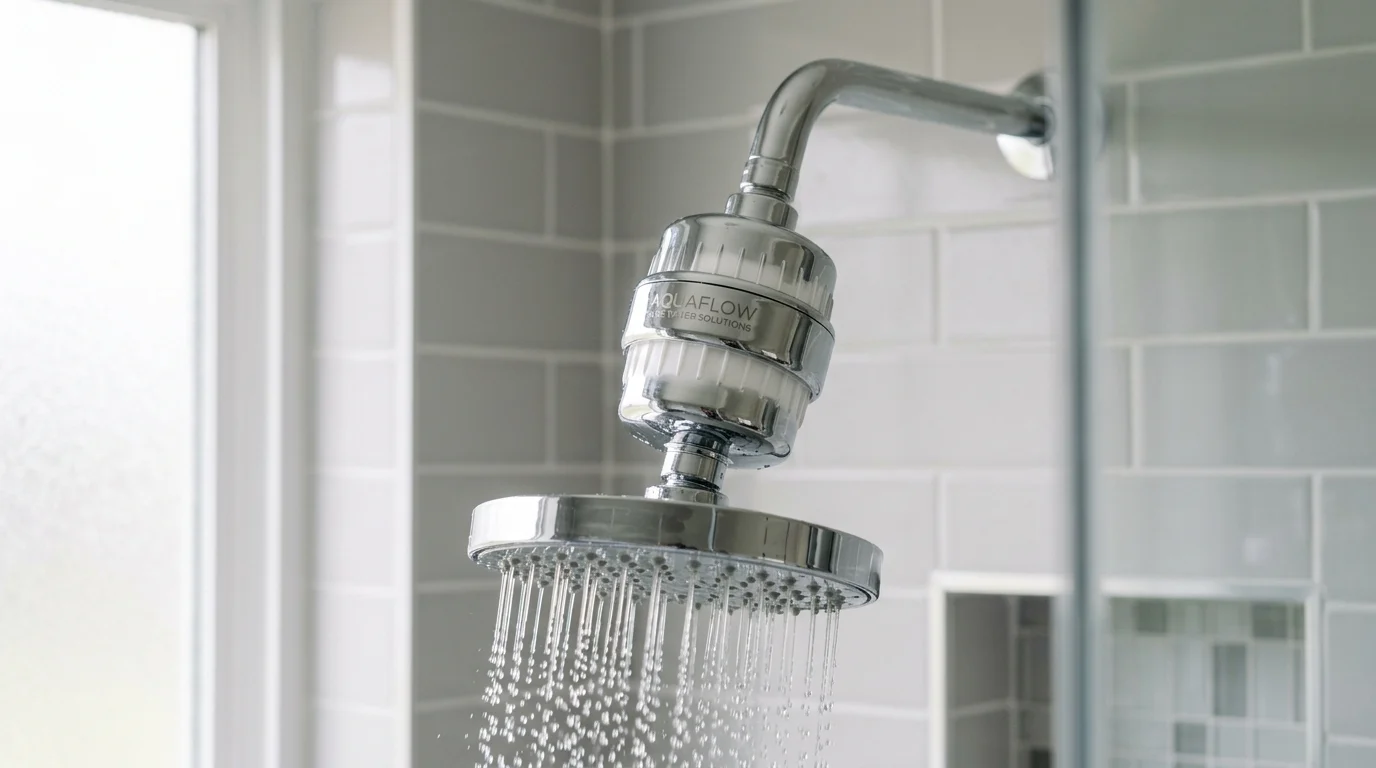
A Shower Filter can look simple from the outside, but its performance depends on precise media selection, water-flow engineering, material strength, and factory discipline. For brands competing in wellness, water-saving, and bathroom upgrade markets, the wrong supplier can lead to weak filtration claims, pressure loss, warranty problems, and damaged trust. This guide explains how to evaluate ashower filter manufacturing partner from both technical and commercial angles, including quality systems, contaminant targets, R&D capability, defect control, and supplier verification. It also highlights why experienced OEM/ODM source factories, such as manufacturers with long-term sanitary ware production and global distribution experience, are better positioned to support scalable, market-ready shower filtration products.
Why the Right Shower Filter Manufacturer Matters
Selecting a manufacturing partner for shower filtration systems requires more than a simple cost analysis. Evaluating technical competency, regulatory adherence, and production scalability is essential to protect brand equity in a highly competitive water treatment market. The difference between a premium product and a liability often comes down to the engineering and quality control standards enforced on the factory floor.
What Qualifies a Professional Shower Filter Manufacturer
A professional shower filter manufacturer operates specialized facilities equipped for both precision injection molding and advanced media processing. Industry leaders maintain formal quality management systems, often demonstrated by ISO 9001:2015 certification, though it is important to note this standard certifies management systems rather than inherent product quality. Top-tier suppliers also enforce rigorous quality control to maintain defect rates aligned with the brand's market tier, such as <0.5% for premium lines. Additionally, they employ dedicated engineering teams capable of computational fluid dynamics (CFD) modeling. This advanced modeling is crucial for optimizing internal water flow and preventing pressure drops.
How to Define Your Target Shower Filter Market
Target demographics dictate product engineering and media formulation. Markets with highly chlorinated municipal water require distinct chemical formulations compared to regions plagued by heavy metals or severe hard water scaling. Therefore, partnering with a manufacturer capable of custom media blending and region-specific formulation support is essential. Calibrating media ratios is necessary to achieve specific performance benchmarks. For instance, engineers might formulate a cartridge to target a greater than 90% reduction in free available chlorine over its intended lifespan.
Commercial Signals of a Reliable Manufacturing Partner
A supplier's sustained operational history—typically exceeding five years of specialization in water treatment to cover at least one full product lifecycle—signals commercial viability. Reliable partners demonstrate financial stability and a commitment to innovation by reinvesting 5–10% of their annual revenue into research and development. Transparent communication regarding supply chain sourcing and capacity constraints further distinguishes legitimate manufacturing partners from mere trading companies. To avoid middlemen, buyers should implement a concise verification checklist early in the vetting process: conduct factory business registration checks, request live video audits of the production floor, and verify quality certificates directly with issuing bodies. Finally, reliable partners often carry product liability insurance and offer reliable warranty fulfillment, which is critical for long-term brand protection.
Shower Filter Specifications to Verify
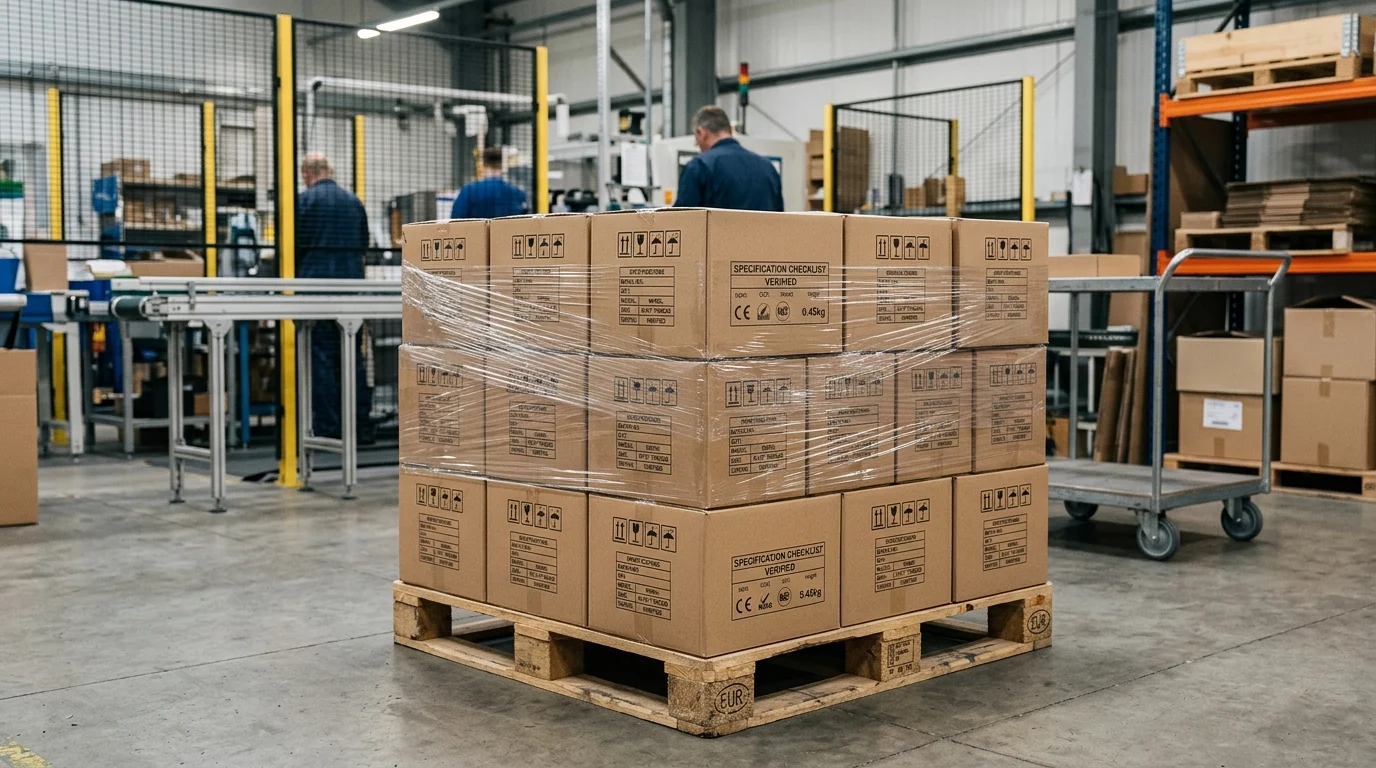
The efficacy of a shower filter is entirely dependent on its internal media composition and structural integrity. Verifying technical specifications prevents premature filter exhaustion, poor consumer experiences, and structural burst failures.
Filtration Media, Contaminant Claims, and Flow Rate
Filtration media must be matched to the desired contaminant removal profile. KDF-55 (Kinetic Degradation Fluxion) excels at high-temperature chlorine reduction, while Calcium Sulfite offers rapid reaction times in compact spaces. Granular activated carbon (GAC), though common in drinking water, has temperature limitations and can degrade in hot shower water; however, some specialized GAC blends are engineered for elevated temperatures provided there is adequate contact time. Systems must also maintain an optimal flow rate, typically engineered between 2.0 and 2.5 Gallons Per Minute (GPM), to comply with regional water conservation mandates (where applicable) without sacrificing user experience.
| Media Type | Primary Target | High-Temp Effectiveness | Estimated Cost Impact |
|---|---|---|---|
| KDF-55 | Chlorine, Heavy Metals | Excellent | High |
| Calcium Sulfite | Chlorine | Good | Medium |
| Granular Activated Carbon | Volatile Organic Compounds | Poor to Moderate (varies by blend) | Low |
Product Performance Evidence to Request
Suppliers should provide empirical evidence of performance rather than relying on marketing claims. Requesting third-party laboratory reports verifies adherence to recognized industry standards. For example, compliance with the NSF/ANSI 177 standard mandates a minimum 50% reduction in free available chlorine over a stated capacity, with 10,000 gallons serving as a common industry benchmark rather than a strict baseline requirement. However, formal certifications are product-specific, expensive, and often voluntary. The absence of a specific certification does not automatically disqualify a legitimate emerging manufacturer, provided they can supply alternative proof of efficacy.
Design Factors That Affect Installation Compatibility
Global compatibility requires strict adherence to regional plumbing standards. North American markets utilize 1/2-inch National Pipe Thread (NPT), whereas European markets rely on British Standard Pipe (BSP) thread pitches. Furthermore, filter housings must undergo rigorous hydrostatic burst pressure testing. They need to reliably withstand elevated pressures—often tested well above standard residential limits—to prevent housing ruptures and potential flooding in residential plumbing systems.
How to Compare Manufacturer Capabilities
Aligning a brand's go-to-market strategy with a manufacturer's operational capabilities requires a thorough analysis of production models, minimum order quantities (MOQs), and underlying cost structures.
OEM, ODM, and Private Label Options
Original Equipment Manufacturer (OEM), Original Design Manufacturer (ODM), and private label arrangements serve distinct strategic objectives. Private labeling allows for rapid market entry using existing factory designs—such as universal inline housing platforms—with custom branding. ODM partnerships facilitate custom external aesthetics, like a uniquely shaped showerhead shell, wrapped around proven internal mechanics. Conversely, OEM agreements demand exclusive, proprietary engineering from the ground up, such as custom cartridge molds and unique flow dynamics. When pursuing custom ODM or OEM designs, conducting thorough intellectual-property due diligence and patent infringement checks mitigates legal risks. Securing territory-exclusivity agreements at this stage also prevents the factory from selling your custom or co-developed designs to direct competitors in your target market.
Tooling Ownership, MOQ, and Lead Time
Standard private label orders typically carry MOQs between 500 and 1,000 units, with production lead times averaging 30 to 45 days. Conversely, custom ODM or OEM projects requiring new injection molding tooling push MOQs to 5,000 units or more. Establishing clear tooling ownership contracts and mold-exclusivity clauses is critical before initiating a custom mold development cycle, which typically adds 60 to 90 days to the initial project timeline.
Key Cost Drivers in Supplier Quotations
Raw material selection and global commodity indices heavily influence quotations. High-purity KDF-55 is a significant cost driver, with bulk market prices fluctuating based on copper and zinc valuations. Housing materials also impact the final unit price; premium electroplated ABS or chrome-plated brass will carry a noticeable premium over standard injection-molded polypropylene. Beyond materials, commercial safeguards such as standard payment-term structures (e.g., 30% deposit / 70% balance via T/T upon passing inspection) heavily influence the working capital required to fund production.
Compliance, Quality Control, and Supply Chain Checks
Stringent quality control and regulatory compliance separate top-tier manufacturers from high-risk suppliers. Auditing these frameworks is essential for long-term supply chain stability and legal protection.
Certifications and Material Safety Documents
Valid Material Safety Data Sheets (MSDS) for all internal media ensure no toxic byproducts are released during operation. Products destined for North America should ideally adhere to NSF/ANSI 372 standards, certifying a weighted average lead content of less than 0.25%. Entry into European markets requires strict compliance with RoHS (Restriction of Hazardous Substances) and REACH directives concerning chemical usage. Because formal compliance marks can be cost-prohibitive for smaller factories, assessing raw material certificates and conducting pilot-run inspections serve as practical, effective alternatives during initial vetting.
How to Audit Quality Systems
Robust Quality Management Systems (QMS) encompass Incoming Quality Control (IQC) for raw media, In-Process Quality Control (IPQC) during assembly, and Final Quality Control (FQC) prior to shipment. Expert buyers mandate statistical acceptable quality limit (AQL) sampling plans, typically enforcing an AQL of 1.5 for major functional defects and 4.0 for minor cosmetic imperfections.
Production Capacity, Packaging, and Logistics
Assessing production capacity ensures a supplier can scale alongside brand growth. A capable facility should demonstrate a monthly throughput sufficient to prevent stockouts during peak retail seasons. Additionally, packaging must be engineered to survive global transit. Validating packaging through drop-testing protocols, such as ISTA 1A, minimizes transit damage and shipping losses.
How to Choose the Best Shower Filter Manufacturer
Finalizing a manufacturing partnership requires a systematic, objective evaluation process that weights technical capabilities against commercial viability and inherent supply chain risk factors.
Step-by-Step Supplier Evaluation Process
Rather than a generic procurement cycle, treat supplier evaluation as a strict go/no-go decision framework. Progressing linearly from a Request for Information (RFI) to a detailed Request for Quotation (RFQ) establishes baseline commercial alignment. From there, implement a mandatory checklist: order pre-production samples for physical teardowns and media verification, and require a comprehensive factory audit—conducted either in-person or via a certified third-party inspection agency—before authorizing any initial pilot production run. Failing any of these checkpoints should trigger a "no-go" decision.
Red Flags to Watch For
A manufacturer's refusal to share independent lab testing or a lack of transparency regarding media sourcing serves as a critical red flag. Abnormally low unit pricing often indicates the use of counterfeit KDF or insufficient media volume, which inevitably leads to premature filter exhaustion. Vague warranty terms, a lack of product liability insurance, or a history of frequent legal entity name changes also signal severe operational instability.
Final Manufacturer Scorecard Criteria
Utilizing a standardized scorecard helps eliminate subjective bias during the final selection phase. These weightings should shift depending on your specific business model: startups might prioritize MOQ flexibility and communication, whereas established brands scaling up will likely heavily weight production throughput and QA consistency. Pair this quantitative framework with the practical vetting methods outlined below to ensure comprehensive supplier evaluation.
| Evaluation Category | Weight | Key Metric / Threshold | Practical Vetting Method |
|---|---|---|---|
| Technical Capability | 30% | Media purity, flow rate (2.0-2.5 GPM) | Lab reports & sample teardowns |
| Quality Assurance | 25% | ISO 9001, AQL 1.5/4.0 compliance | Factory audits & AQL reports |
| Commercial Terms | 20% | Cost transparency, MOQ flexibility | RFQ comparisons & contract review |
| Supply Chain & Logistics | 15% | Lead times (<45 days), ISTA packaging | ISTA drop tests & capacity checks |
| Communication | 10% | Responsiveness, technical English proficiency | RFI turnaround times & video audits |
Ultimately, selecting the right shower filter manufacturer is an iterative process. By systematically moving from initial verification checks and capability assessments to rigorous sample testing and factory audits, brands can confidently secure a manufacturing partner equipped to deliver safe, high-performing, and market-ready filtration systems.
Key Takeaways
- Choose a shower filter manufacturer with verified factory operations, quality systems, engineering support, and transparent production capacity before discussing price.
- Match filtration media to the target market’s water conditions, such as chlorine, heavy metals, or hard water scaling, instead of using one universal cartridge design.
- Verify product claims through technical specifications, testing procedures, flow-rate data, and certificate checks to avoid premature filter exhaustion or consumer complaints.
- Prioritize suppliers with at least five years of water treatment specialization and clear commercial stability to reduce lifecycle and warranty risks.
- For premium shower filter lines, ask manufacturers how they maintain defect rates near or below 0.5% through inspection, process control, and corrective action systems.
- Work with an OEM/ODM-capable source factory when your brand needs custom Shower Heads, filter cartridges, packaging, or market-specific product positioning.
Frequently Asked Questions
What should I look for in a shower filter manufacturer?
Look for in-house production, filtration expertise, quality management, custom media formulation, stable capacity, and transparent certification records. A source factory with OEM/ODM support, engineering capability, and export experience can better protect your brand and reduce supply risks.
Why is ISO 9001:2015 important when choosing a supplier?
ISO 9001:2015 shows that a manufacturer follows a formal quality management system. It does not guarantee product performance by itself, so brands should also verify filtration claims, defect rates, testing methods, and factory quality control procedures.
Can a manufacturer customize shower filter media for different markets?
Yes, a capable manufacturer should adjust media blends for local water conditions, such as chlorine-heavy municipal water, hard water scaling, or heavy metal concerns. Custom formulation helps align product performance with consumer needs in each target market.
How can I verify that a supplier is a real factory and not a trading company?
Check the business registration, request live video audits of production areas, verify certificates with issuing bodies, and review production equipment. Working with an experienced source factory like XinYi Sanitary Wares can simplify OEM/ODM sourcing.
What filtration materials are commonly used in shower filters?
Common materials include KDF-55 for hot-water chlorine reduction, Calcium Sulfite for fast chlorine reaction, and specialized activated carbon blends. The right media depends on temperature, flow rate, contact time, and target contaminant claims.
