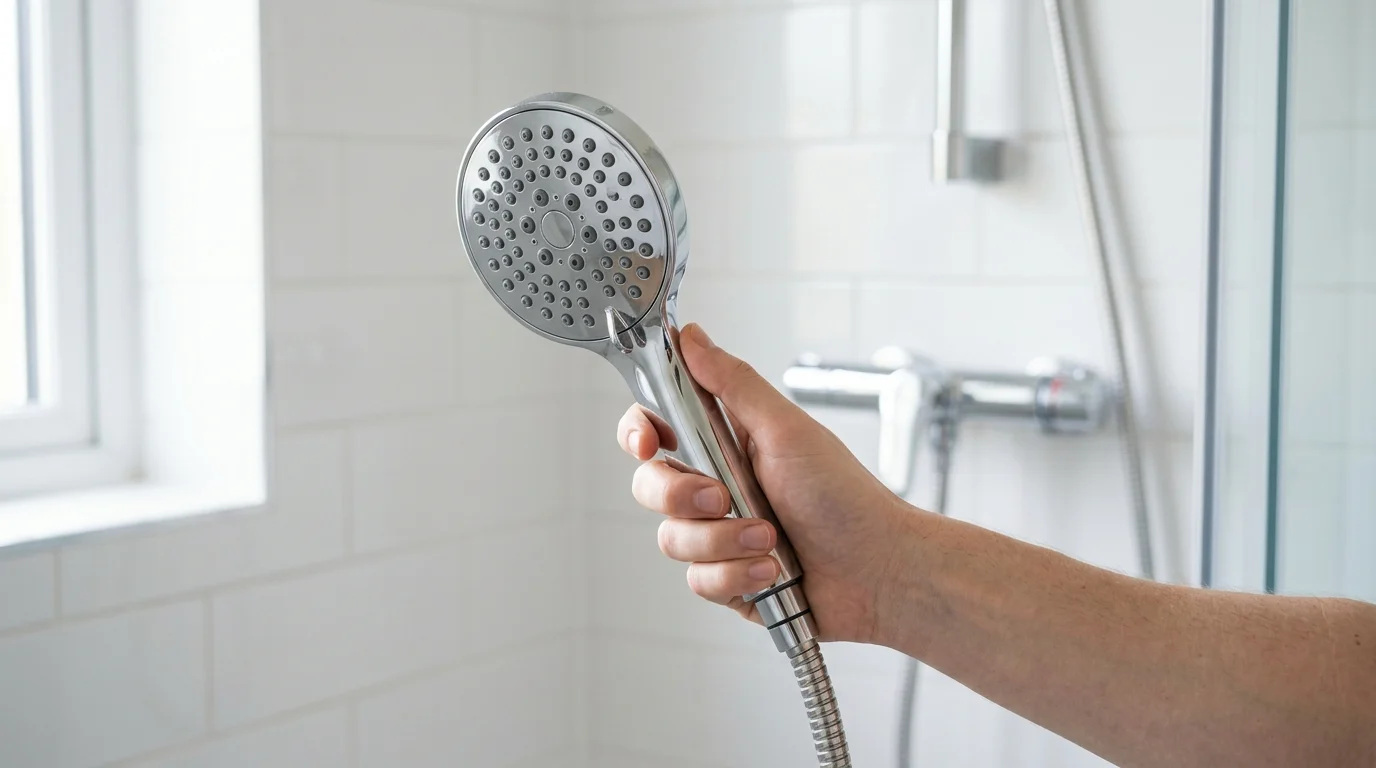
A weak shower can turn a simple rinse into a daily frustration, especially when shampoo lingers in thick hair or low plumbing pressure leaves the spray feeling flat. A High Pressure Handheld Shower head addresses this by using smarter nozzle geometry, concentrated spray patterns, and flexible reach to make rinsing faster and cleaning more practical. With typical municipal static pressure around 40–60 PSI, real shower performance can still drop because of pipe age, fixture design, or multi-floor layouts. This article explains how high-pressure handheld designs improve water velocity, what specifications matter most, and how to choose a comfortable, water-efficient model for everyday use.
Why Choose a High Pressure Handheld Shower Head
Upgrading to a high pressure handheld shower head is a smart way to improve your daily routine, especially if your home struggles with low water pressure. While municipal water supplies typically deliver static pressure between 40 and 60 PSI (pounds per square inch), aging pipes and multiple floors can significantly reduce the flow by the time it reaches your shower. A specialized high-pressure fixture helps overcome these drops through smarter design.
Here is how a high-pressure handheld shower head directly improves daily rinsing:
- Faster shampoo rinsing: High-velocity streams easily penetrate thick hair to wash out products quickly.
- Easier tub and pet cleaning: The targeted, forceful spray makes washing pets and rinsing shower walls much faster.
- Better low-pressure performance: It maximizes the feeling of pressure, delivering a satisfying shower even if your home's water flow is weak.
Daily Rinsing and Cleaning Benefits
The main benefit of a high-pressure handheld unit is its concentrated spray, which directly translates to better daily rinsing. The faster water velocity cuts through thick hair efficiently, reducing the time it takes to wash out heavy shampoos and conditioners. This targeted spray is just as useful for secondary tasks, like pet grooming or blasting soap scum off shower tiles. While standard gravity-fed systems can leave you struggling to rinse completely, a high-pressure head significantly improves the removal of dirt and soap. However, it is important to note that high-velocity sprays can be intense; households with children, elderly family members, or individuals with sunburned or sensitive skin should look for models with adjustable settings to ensure comfort.
Key Differences From Standard Shower Heads
Standard shower fixtures rely mostly on the baseline pressure provided by your home's plumbing, whereas high-pressure models actively change how the water flows. The main difference is in the internal channels and the size of the nozzles. By pushing the same amount of water through much smaller micro-nozzles, these fixtures accelerate the water's speed to create a stronger spray.
| Feature | Standard Shower Head | High Pressure Handheld Shower Head |
|---|---|---|
| Typical Nozzle Diameter | 1.0mm - 1.5mm | 0.2mm - 0.5mm |
| Velocity Generation | Passive (relies on line PSI) | Active (accelerated via micro-nozzles) |
| Minimum Functional PSI | 40 PSI | 20 - 30 PSI |
| Primary Application | General ambient soaking | Deep rinsing, targeted cleaning |
Performance Specifications to Compare
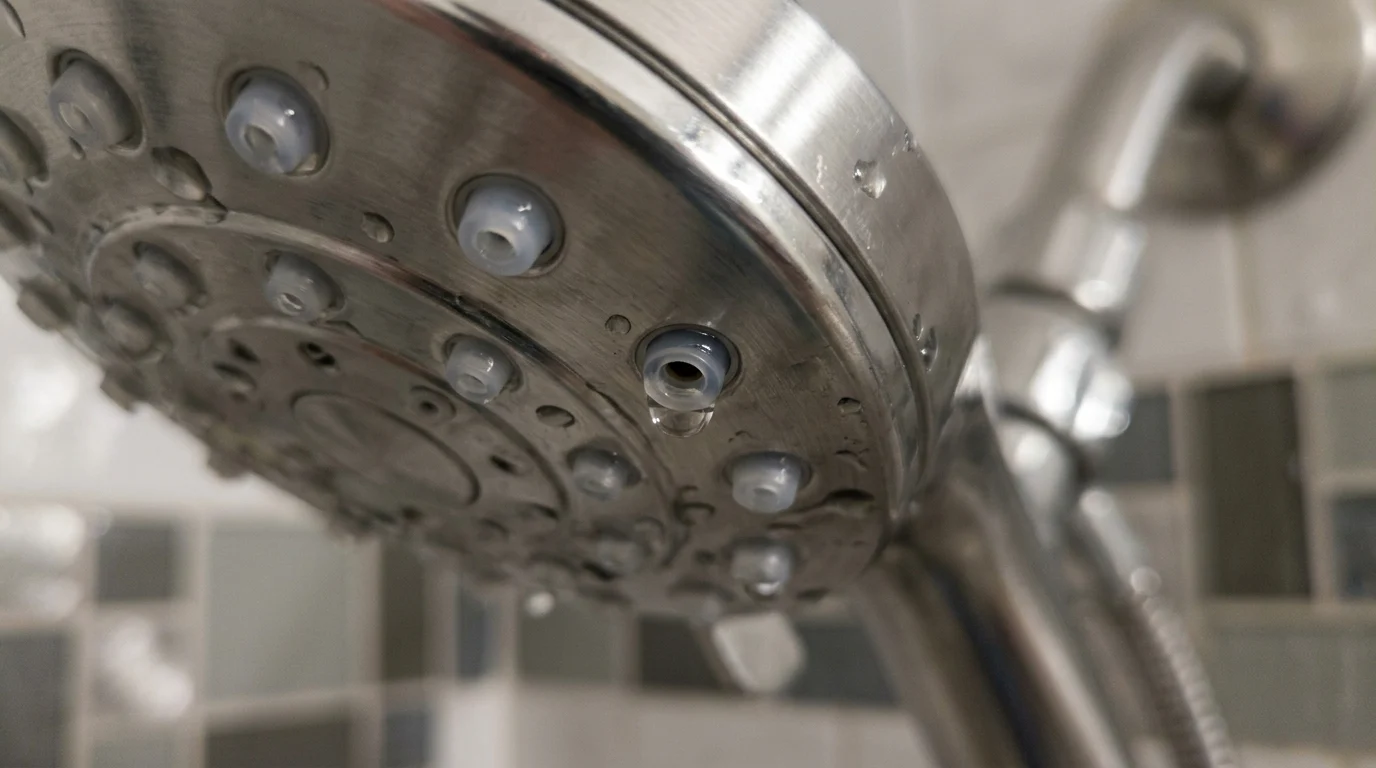
Evaluating a high pressure handheld shower head means looking at a few key specifications. Beyond how it looks, the internal design determines how effectively the unit converts your available water into a forceful, usable spray.
Flow Rate, Spray Velocity, and Nozzle Design
Flow rate (measured in Gallons Per Minute, or GPM) and spray velocity are the key performance metrics. While federal rules cap flow rates at 2.5 GPM, modern high-pressure heads often feel incredibly strong at lower volumes (like 1.8 GPM) thanks to smart nozzle design. Manufacturers use micro-nozzles, shrinking the holes to between 0.2mm and 0.5mm. By decreasing the size of the opening, the water's exit velocity increases. This delivers a fast, robust spray that feels powerful, even though the actual volume of water being used is restricted.
Spray Modes, Hose Length, and Grip Comfort
Versatility comes from variable spray modes, which usually include a concentrated massage, a wide rain setting, and a gentle mist. These modes shift the water to different nozzle clusters depending on your needs. Hose length and material also matter; standard hoses range from 59 to 72 inches, giving you plenty of reach to clean the tub. Grip comfort is largely determined by weight. ABS plastic handsets usually weigh under half a pound, making them easy to hold, while solid brass models are heavier (often over a pound) but offer a more premium feel. When budgeting, expect ABS units to be more affordable with standard warranties, while brass units cost more upfront but often come with lifetime or extended warranties.
Pressure Perception vs Actual Water Pressure
A common point of confusion is the difference between your home's actual water pressure and the perceived force of the shower spray. A shower head cannot increase your home's static line pressure (the PSI inside the pipes). Instead, a high-pressure head increases the dynamic pressure—the speed of the water leaving the nozzle. Because of this, a home with a weak static pressure of 30 PSI can achieve a much stronger, more satisfying spray simply through the restricting and accelerating design of the shower head, though it won't perfectly replicate a true 60 PSI plumbing system.
Buyer Trade-Offs to Consider
Selecting the right high pressure handheld shower head involves balancing a few trade-offs. Buyers must weigh the desire for maximum spray force against water regulations, noise, and long-term durability.
Water-Saving Rules and Home Plumbing Limits
Strict water conservation mandates dictate the upper limits of shower head performance across various regions. While the U.S. federal standard permits up to 2.5 GPM, many local regulations enforce stricter caps. Homeowners must ensure their selected fixture complies with local plumbing codes while still delivering the expected performance.
| Regulatory Standard / Region | Maximum Flow Rate Limit | Impact on High-Pressure Design |
|---|---|---|
| U.S. Federal Standard | 2.5 GPM | Baseline for maximum allowable volumetric force. |
| EPA WaterSense | 2.0 GPM | Requires optimized internal channels to maintain spray velocity. |
| California (CEC) | 1.8 GPM | Relies heavily on micro-nozzle acceleration and air-induction technology. |
| Hawaii & Washington | 1.8 GPM | Mandates stringent flow restrictors, limiting passive pressure designs. |
Comfort, Noise, Splash, and Spray Intensity
High-velocity water delivery comes with a few physical trade-offs, namely changes in temperature and noise. Because high-pressure micro-nozzles break the water into a finer spray, the water's surface area increases. This can cause a noticeable drop in water temperature between the shower head and the floor. Additionally, fast-moving water hitting hard surfaces creates more splash, so you will want a shower enclosure large enough (at least 36-by-36 inches) to contain the runoff. Finally, forcing water through tiny holes can elevate ambient noise levels, which might be noticeable in bathrooms with poor sound insulation.
Materials, Finishes, Seals, and Durability
The materials you choose affect both how long the shower head lasts and its safety. High-grade ABS plastic is the most common choice because it is lightweight; if you drop it, it is unlikely to crack your shower tiles. However, ABS plastic typically lasts 3 to 5 years before finishes wear or internal parts degrade. Solid brass fixtures are much more durable, often lasting over a decade, but they are heavy and can chip delicate surfaces if dropped. Whatever the material, look for premium EPDM or high-grade silicone seals, which prevent leaks and hold up well under sustained water pressure.
Installation and Maintenance Tips
To fully realize the benefits of a high pressure handheld shower head, a proper installation and a simple maintenance routine are essential. A bad installation can introduce leaks that ruin the water pressure, while neglected upkeep will eventually clog the nozzles.
Leak-Free Installation Steps
Getting a leak-free connection starts with proper thread preparation. You should apply standard plumber's tape to the threads of the Shower Arm, wrapping it 3 to 5 times clockwise so it doesn't unspool when you attach the head. Hand-tightening the bracket and hose is usually enough. If you need a wrench to stop a drip, be careful not to over-tighten. Applying too much force can crack plastic brackets or crush the internal rubber washers, which actually causes micro-leaks and reduces your water pressure.
Testing Spray Performance for Common Tasks
After installation, you can do a quick test to ensure the shower head is flowing properly. A simple way to check is to time how long it takes to fill a one-gallon bucket on the highest setting. For a 2.5 GPM shower head, the bucket should fill in roughly 24 seconds. If it takes much longer than 30 to 35 seconds, your flow is being restricted. This could be due to low home water pressure or a factory-installed flow restrictor, which you may be able to remove (if local codes allow) to get the high-pressure feel you want.
Descaling, Filter Care, and Routine Upkeep
Routine maintenance is essential, especially if your home has hard water. Mineral buildup will quickly clog micro-nozzles, ruining the spray pattern and creating backpressure that can damage internal seals. Many high-pressure heads feature soft silicone nozzles, allowing you to simply rub the nozzles with your thumb to clear away light calcium deposits. For a deeper clean, soak the shower head in white vinegar for 30 to 60 minutes every few months. You should also check and rinse the small mesh filter screen located at the base of the hose twice a year to keep water flowing freely.
How to Make the Final Decision
Choosing the right shower head means matching the product's features to the specific plumbing realities of your bathroom. A thoughtful approach ensures the fixture you choose delivers great performance without overstressing your existing pipes.
Matching Pressure Needs to Product Features
The biggest factor in your decision should be your home's current water pressure. If your home has very low pressure (under 40 PSI), look for a simpler, single-function shower head with micro-nozzles. These maximize water speed without the internal friction caused by complex multi-setting valves. On the other hand, if you already have decent pressure (60 PSI or more), a multi-function head with air-induction technology is a great choice. Air-induction mixes air into the water stream, creating larger, fuller droplets that feel warmer and softer on the skin than the fine mist of a pure micro-nozzle design.
Final Buying Guidance
When you are ready to buy, keep a quick checklist in mind. Make sure the included hose is made of durable stainless steel and is at least 60 inches long so it is flexible and easy to use. Check that the internal waterways are made from safe, non-toxic materials to comply with drinking water standards. Finally, look for fixtures that carry certifications from recognized plumbing standards (like ASME A112.18.1 or CSA B125.1). These certifications give you peace of mind that the manufacturer's claims about flow rate, durability, and pressure are accurate and tested.
Key Takeaways
- Choose a high pressure handheld shower head if you need faster shampoo rinsing, better soap removal, and more control for targeted cleaning.
- Compare nozzle design carefully, because high-pressure models often use 0.2mm–0.5mm micro-nozzles to increase spray velocity.
- Look for models that work at 20–30 PSI if your home has weak water pressure or pressure loss from aging pipes or upper floors.
- Check both GPM and spray pattern, since a lower-flow shower head can still feel strong when the water is accelerated efficiently.
- Select adjustable spray modes for households with children, elderly users, or people with sensitive skin.
Frequently Asked Questions
How does a high pressure handheld shower head improve rinsing?
It uses smaller nozzles and optimized internal channels to increase water velocity, helping rinse shampoo, conditioner, soap, and dirt faster than a standard shower head.
Will a high pressure hand shower help if my home has low water pressure?
Yes. Many high-pressure handheld models are designed to perform well at lower supply pressure, often around 20–30 PSI, by concentrating and accelerating the water flow.
Is a high-pressure spray safe for children or sensitive skin?
It can be intense, so choose a model with adjustable spray modes. Softer settings are better for children, elderly users, sunburned skin, or anyone who prefers gentler rinsing.
What flow rate should I compare when choosing a shower head?
Check the GPM rating and spray performance. Federal rules cap shower heads at 2.5 GPM, but efficient high-pressure designs can still feel powerful at lower flow rates.
Can a handheld shower head make cleaning easier?
Yes. The movable hose and targeted spray help rinse shower walls, tubs, corners, and pets more easily, reducing the time and effort needed for daily bathroom cleaning.