Introduction
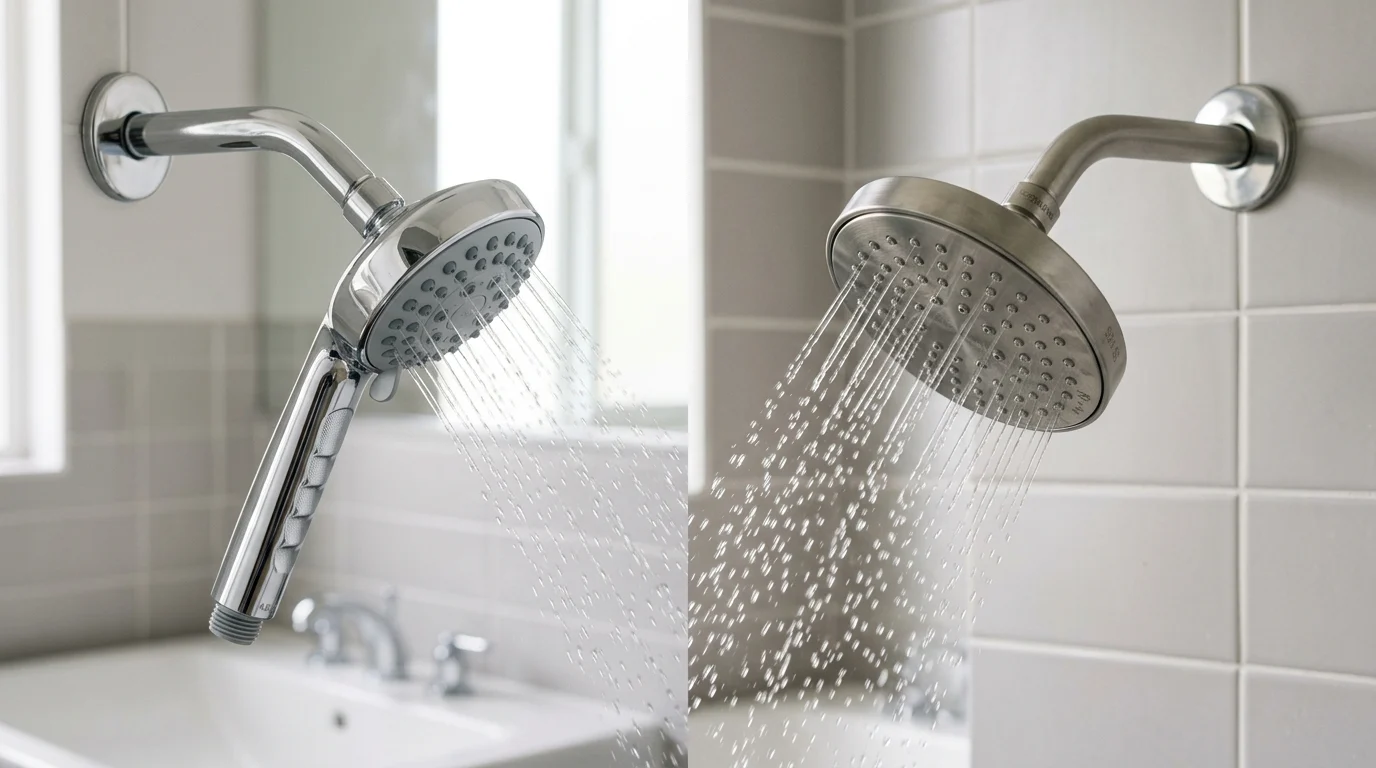
Choosing between ABS and Stainless Steel Shower Heads affects more than appearance. The material influences weight, durability, corrosion resistance, manufacturing cost, installation ease, and long-term value in residential or commercial settings. This comparison explains how each option performs under real buying priorities, from budget sensitivity and shipping efficiency to premium positioning and expected service life. By understanding the practical trade-offs behind similar-looking products, readers can make a better decision for sourcing, specification, or personal purchase and move into the detailed differences with a clear framework.
ABS vs Stainless Steel Shower Heads: Key Differences
In the sanitary ware manufacturing sector, the choice of substrate material dictates not only the production workflow but also the final market positioning of the product. The industry predominantly relies on two core materials for shower head manufacturing: Acrylonitrile Butadiene Styrene (ABS) plastic and stainless steel (typically 304 or 316 grades). Understanding the technical and commercial divergence between these two materials is critical for distributors, project managers, and procurement specialists aiming to optimize their supply chains.
While both materials can achieve visually identical finishes through advanced surface treatments, their structural properties, weight profiles, and unit economics vary drastically. The decision to specify ABS or stainless steel heavily influences tooling investments, logistics overhead, and the ultimate lifespan of the fixture in residential or commercial environments.
Buyer priorities by market
Market demographics dictate distinct purchasing behaviors and material preferences. In the North American and European residential sectors, multi-family housing developers heavily favor ABS shower heads due to a 40% to 60% reduction in unit cost compared to metallic alternatives. This cost efficiency allows for rapid procurement and replacement at scale. Conversely, the commercial, hospitality, and high-end architectural sectors prioritize stainless steel. Hotel developers, for example, typically mandate fixtures with a lifespan exceeding 10 years, making the durability of stainless steel a non-negotiable requirement despite the higher initial capital expenditure.
Impact on cost and perceived quality
The choice of material immediately alters both the bill of materials (BOM) and the perceived value of the product. ABS permits the integration of complex, multi-functional internal waterways via injection molding without adding significant weight. A standard multi-function Abs Shower Head typically weighs between 150 and 250 grams, which can reduce bulk shipping costs by up to 30% compared to metal equivalents. However, stainless steel offers a premium, heavy tactile feedback—often exceeding 400 grams per unit—that consumers inherently associate with luxury and durability. This perceived quality allows brands to command retail markups of 200% to 300% over standard ABS models, offsetting the increased raw material and machining costs.
Materials and Manufacturing Basics
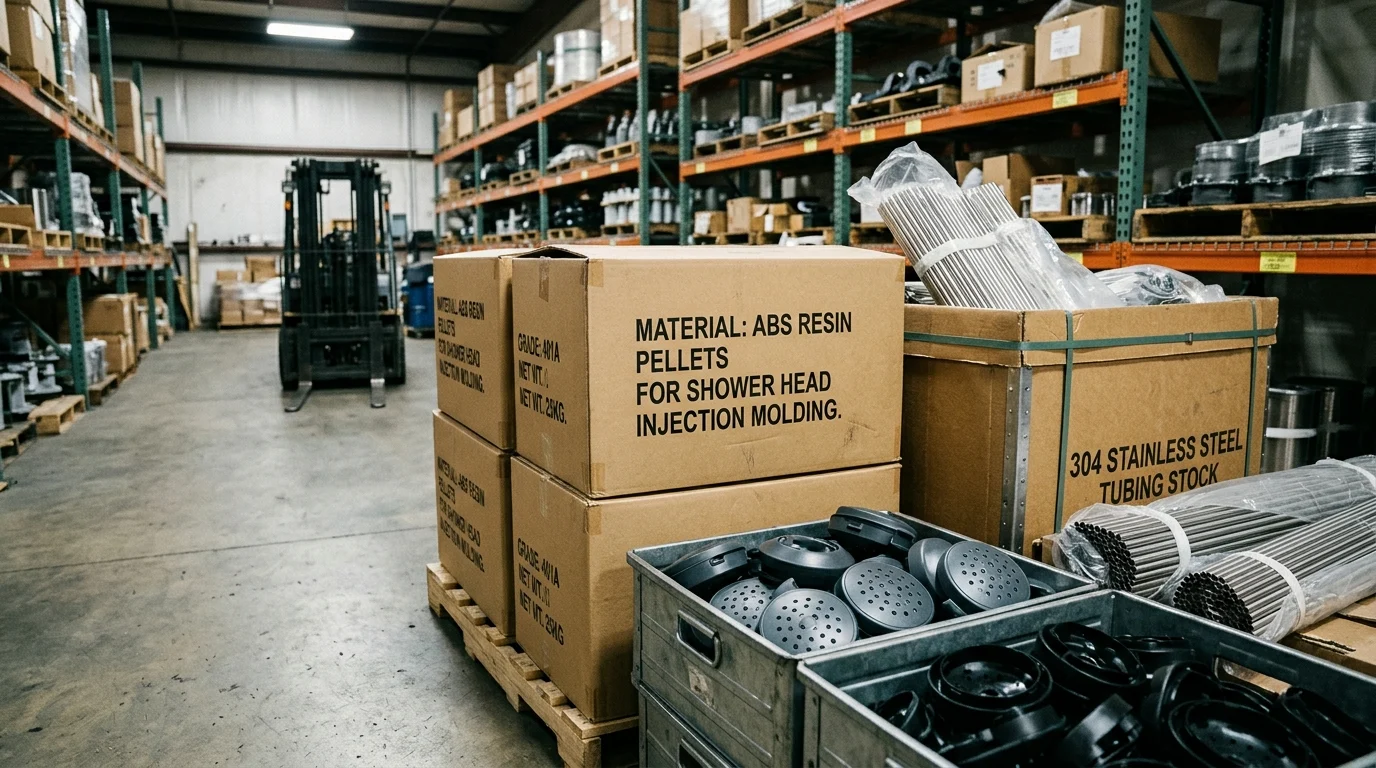
The fundamental differences in performance between ABS and stainless steel stem directly from their metallurgical and chemical properties, as well as the manufacturing methodologies required to shape them. Examining these production basics reveals why certain designs are exclusive to specific materials.
How ABS shower heads are made
ABS is a thermoplastic polymer highly valued for its impact resistance and structural stability. The manufacturing process begins with heating ABS resin to a melt temperature of 210°C to 240°C, followed by high-pressure injection into precision-machined steel molds. This process is ideal for creating intricate internal channels necessary for multi-setting spray engines (e.g., massage, mist, and aerated flows). After molding, the ABS components undergo an extensive electroplating process to achieve a metallic appearance. To ensure long-term finish durability, manufacturers deposit multiple layers: typically copper, followed by 10 to 15 microns of nickel, and finished with 0.2 to 0.3 microns of chromium.
How stainless steel shower heads are made
Stainless steel shower heads, particularly popular in ultra-thin rainfall designs, bypass injection molding entirely. Manufacturers utilize grade 304 stainless steel, which contains roughly 18% chromium and 8% nickel, providing intrinsic resistance to oxidation. The production involves stamping or laser-cutting sheet metal, followed by automated TIG welding to join the front and back plates. Because creating complex internal waterways is prohibitively expensive with steel, these shower heads generally offer a single, high-volume rain spray function. Finishes are typically achieved through mechanical polishing (for brushed or mirror finishes) or Physical Vapor Deposition (PVD) to apply durable colors like brushed gold or matte black.
Key specifications to compare
When evaluating these materials for a product line, procurement teams must weigh several critical specifications that directly impact both manufacturing feasibility and end-user safety.
| Specification | ABS Plastic | Stainless Steel (304) |
|---|---|---|
| Material Density | 1.04 - 1.06 g/cm³ | 7.93 g/cm³ |
| Tensile Strength | 40 - 50 MPa | 505 - 700 MPa |
| Max Operating Temperature | 60°C - 80°C | 800°C+ |
| Typical Tooling Cost (USD) | $3,000 - $8,000 (Injection) | $1,500 - $4,000 (Stamping) |
| Production Cycle Time | 30 - 60 seconds | 2 - 5 minutes |
Performance, Durability, and Cost Comparison
The operational environment of a sanitary fixture is notoriously harsh, involving constant exposure to thermal cycling, hydrostatic pressure fluctuations, and mineral-heavy water. Evaluating how ABS and stainless steel endure these conditions is essential for forecasting warranty claims and replacement cycles.
Corrosion, impact, and lifespan
Stainless steel 304 offers exceptional resistance to rust, but it is not entirely immune to degradation; it can suffer from localized pitting if exposed to highly chlorinated water (exceeding 200 ppm chlorides) over long periods. However, its structural lifespan easily reaches 10 to 15 years under standard residential use. ABS, being a polymer, is entirely immune to galvanic corrosion and rust. Its vulnerabilities lie in impact resistance and thermal degradation. While ABS is tough, a severe drop can crack the housing, and prolonged exposure to UV light or extreme temperature fluctuations can cause the unplated polymer to become brittle. Consequently, the practical lifespan of an ABS shower head generally ranges from 3 to 7 years.
Flow performance and water quality resistance
Flow dynamics and resistance to mineral scaling are critical performance metrics. ABS shower heads benefit from the ultra-smooth internal surfaces created during injection molding, which inherently resist calcium buildup. Stainless steel units, lacking complex internal plastic channels, rely on precision-punched holes or inserted food-grade silicone nozzles to direct water and prevent scaling. Both materials must be engineered to withstand standard residential water pressures ranging from 2.5 to 6.0 bar. However, in regions with highly aggressive hard water, ABS models with self-cleaning silicone nipples often require less maintenance to maintain optimal flow performance than rigid steel faceplates.
Main cost drivers
The unit cost of these products is heavily tethered to global commodity indices. Stainless steel 304 pricing frequently fluctuates between $2,500 and $3,000 per metric ton, whereas ABS resin typically hovers in the $1,500 to $2,000 per metric ton range. Beyond raw material costs, labor overhead serves as a primary cost driver. ABS manufacturing is highly automated, requiring minimal human intervention once the injection molding and plating lines are calibrated. Stainless steel production, conversely, involves labor-intensive secondary operations such as weld grinding, buffing, and multi-stage polishing to achieve a flawless, mirror-like finish, significantly elevating the final FOB price.
Sourcing and Quality Control Considerations
Navigating the global supply chain for plumbing fixtures requires a nuanced understanding of vendor capabilities. Sourcing protocols and quality assurance frameworks differ significantly depending on whether a buyer is procuring polymer-based or metal-based shower heads.
OEM vs ODM differences
The barrier to entry for Original Design Manufacturer (ODM) ABS products is remarkably low. Because injection molds can yield millions of parts, suppliers offer vast catalogs of pre-designed ABS shower heads with Minimum Order Quantities (MOQs) often as low as 500 units. This allows brands to test market demand with minimal risk. In contrast, Original Equipment Manufacturer (OEM) projects for stainless steel fixtures demand higher commitments. Due to the setup times for stamping presses and the costs associated with sheet metal scrap, stainless steel suppliers typically enforce MOQs of 1,000 units or more for custom designs, requiring a larger upfront capital allocation.
Certifications and compliance
Regardless of the substrate, shower heads must adhere to strict regional compliance standards. In North America, products must meet cUPC (ASME A112.18.1/CSA B125.1) standards and frequently require WaterSense certification, mandating a maximum flow rate of 2.0 Gallons Per Minute (7.6 L/min). For the European market, CE marking under EN 1112 is mandatory. However, testing protocols diverge by material. ABS shower heads must undergo rigorous 24-hour Copper Accelerated Acetic Acid-Salt Spray (CASS) testing to verify the adhesion and durability of the electroplated layers, ensuring the finish will not peel or blister under humid conditions.
Inspection points for common defects
Quality control inspectors must tailor their defect taxonomies to the specific material. For ABS units, critical inspection points include checking for sink marks on the plastic housing, identifying plating blisters, and pressure-testing the ultrasonic weld seams for micro-leaks at 5.0 bar. For stainless steel units, inspectors focus heavily on weld porosity, structural deformation from stamping, and surface blemishes. A standard QA protocol requires stainless steel finishes to pass a visual inspection for scratches or polishing burns from a distance of 0.5 meters under 1000 lux lighting. Additionally, both materials must undergo precise thread tolerance checks using G1/2 gauges to ensure leak-free installation.
Which Material Should You Choose
Selecting the optimal material for a shower head inventory is not a binary choice of one being universally superior to the other. Instead, procurement decisions must align with target unit economics, intended installation environments, and the specific functional requirements of the end consumer.
When ABS is the better choice
ABS is unequivocally the superior choice for mass-market retail, large-scale residential developments, and e-commerce brands prioritizing high volume and fast inventory turnover. Its formability makes it the only viable option for multi-function handheld shower heads that require internal diverters for massage, aerated, and standard spray settings. Furthermore, in environments where fixtures are frequently handled—such as family bathrooms or eldercare facilities—the lightweight nature of ABS is a distinct safety advantage, preventing damage to acrylic tubs or tile floors if the shower head is accidentally dropped.
When stainless steel is the better choice
Stainless steel excels in high-end architectural projects, luxury hospitality, and specific design niches such as ultra-thin overhead rainfall showers. The material's rigidity allows for the fabrication of shower heads as thin as 2mm, a sleek aesthetic that is structurally impossible to achieve with ABS plastic. Stainless steel is also the mandatory choice for outdoor showers, coastal properties, and public commercial facilities where high resistance to UV degradation, extreme temperature fluctuations, and potential vandalism is required.
Simple decision framework
To streamline the sourcing strategy, buyers can utilize a standard economic and functional framework to match the material to the project scope.
| Target Market / Project Type | Recommended Material | Primary Technical Advantage | Estimated Unit Cost (FOB USD) |
|---|---|---|---|
| Mass Retail / DIY Replacement | ABS Plastic | Low production cost, lightweight | $2.00 - $6.00 |
| Multi-Function Handheld Units | ABS Plastic | Enables complex internal diverters | $4.00 - $12.00 |
| Luxury Rainfall (Overhead) | Stainless Steel 304 | Premium rigidity, ultra-thin profiles | $15.00 - $45.00 |
| Commercial / Outdoor Facilities | Stainless Steel 316 | Maximum UV and impact resistance | $25.00 - $65.00 |
By anchoring procurement strategies to these material realities, brands can effectively balance upfront capital expenditures with long-term product reliability and customer satisfaction.
Key Takeaways
- The most important conclusions and rationale for ABS vs Stainless Steel Shower Heads: Which Material Is Better?
- Specs, compliance, and risk checks worth validating before you commit
- Practical next steps and caveats readers can apply immediately
Frequently Asked Questions
Which material is better for budget residential projects?
ABS is usually better for budget housing because it lowers unit cost, shipping weight, and replacement expense while still supporting multiple spray functions.
When should I choose stainless steel shower heads?
Choose stainless steel for hotels, premium homes, and long-life projects where durability, heavier feel, and a more upscale finish matter most.
Does ABS look cheaper than stainless steel?
Not always. High-quality plated ABS can look very similar to metal, but stainless steel usually feels heavier and more premium in hand.
Which material works better for multi-function spray designs?
ABS usually works better because injection molding can create complex internal channels for massage, mist, and other spray modes more efficiently.
Can Xinyi Sanitary support custom ABS or stainless steel shower head projects?
Yes. Xinyi Sanitary offers OEM/ODM shower manufacturing, including water-saving, filtration, and custom shower solutions for different market needs.